Get Full Government Meeting Transcripts, Videos, & Alerts Forever!
Get email alerts on the Housing Trust Fund topic
No spam. Unsubscribe anytime.
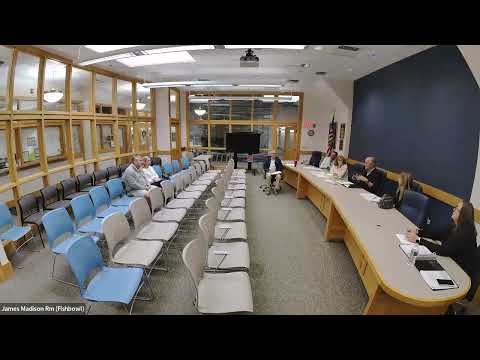
Madison committee recommends creation of local housing trust fund
Summary
The Madison Affordable Housing Committee voted by consensus to recommend that the Board of Selectmen establish a housing trust fund, outlining trustee composition, candidate funding sources (including a proposed $10,000 annual town allotment and a 10% share of permit fees), and next steps for a presentation to the selectmen.
The Madison Affordable Housing Committee voted to recommend that the Board of Selectmen establish a housing trust fund to provide local financing for affordable housing projects.
Committee members Jane and Peter presented a draft proposal that would create a town-managed fund overseen by a board of trustees. The presenters recommended a board of seven to eight trustees including a housing‑oriented town official or committee representative, the town planner, the finance director or a local banking executive, a zoning-board designee, the director of social services, a real‑estate or business development expert and two at‑large members drawn from communities affected by housing needs. "The idea is to have these people coalesce and take on roles within the committee to oversee the structure of the housing trust fund," Jane said during the presentation.
Peter reviewed potential income sources drawn from examples in other Connecticut towns: a modest annual town allotment (the proposal lists $10,000 as a starting suggestion), a percentage of building and permit fees (a 10% example was discussed), inclusionary-zoning in-lieu fees, private donations and trusts, investment returns on fund principal, and targeted assessments or short‑term‑rental fees (the group used a 5% Airbnb example for illustration). Peter emphasized these were policy examples for the Board of Selectmen to debate rather than final recommendations.
Members discussed eligible expenditures, including land acquisition, rental assistance, emergency repairs to affordable housing units and adaptive reuse of existing buildings. Presenters said the fund should include reporting rules and eligibility criteria that account for any constraints tied to specific funding streams.
After discussion of materials to present to the Board of Selectmen — a transmittal memo explaining what a housing trust fund is, a concise proposal, and a PowerPoint for the oral presentation — the committee made a motion to recommend that the board adopt a regulation establishing the trust fund. The Chair called the vote by voice; the committee approved the recommendation by consensus and agreed to finalize the packet to place on the selectmen’s agenda.
Committee members assigned follow-up work: refine the written proposal, finalize the PowerPoint, and coordinate with town staff (including finance and planning) to prepare the selectmen packet. The committee also agreed to invite relevant town staff to future meetings to assist in drafting any ordinance or regulation the Board of Selectmen would require.
Next steps: the group will complete its materials, request placement on the Board of Selectmen agenda and circulate the packet in advance so selectmen have time to review. The committee plans to return with a finalized presentation and recommended documents for selectmen consideration.