Get Full Government Meeting Transcripts, Videos, & Alerts Forever!
Get email alerts on the Interview Training topic
No spam. Unsubscribe anytime.
MSBA trains Prior Lake‑Savage board on legal limits, bias and interview protocols ahead of superintendent interviews
Summary
MSBA consultant Barb Dorne led interview training for the Prior Lake‑Savage Area Schools board, reviewing finalist privacy rules, protected‑class limits on questioning, bias checks, EMD scoring, and recommended procedures to keep deliberations professional and legally defensible.
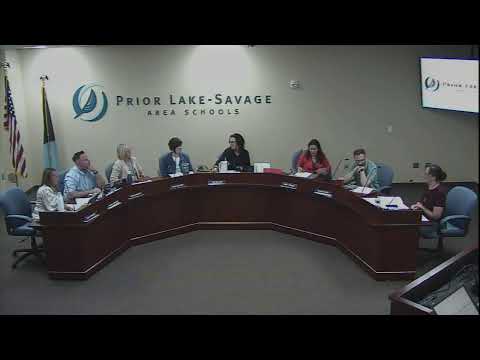
MSBA representative Barb Dorne led a focused training session for the Prior Lake‑Savage Area Schools board, laying out legal boundaries and recommended procedures the board must follow in next week’s superintendent interviews.
Dorne told the board a “finalist means an individual who is selected to be interviewed by the school board for a position,” and explained that names become public at the finalist stage. She reviewed MSBA model policies on personnel data and open meetings, and warned members not to discuss private data at the board table or repeat unverified outside claims, saying a credible concern should be routed to the search consultant rather than aired publicly.
Dorne walked members through protected categories and cautioned that follow‑up questions can inadvertently probe areas (race, religion, age and other protected classes) that are irrelevant to job performance. She recommended asking the same set of questions of every candidate and discouraged follow‑ups except for brief clarifications (acronyms or unfamiliar terms).
On deliberations and voting, Dorne advised the board to use the agreed leadership profile as a rubric, call recesses if discussions grow heated and avoid hallway conversations during open meetings. She noted statutory constraints the board must observe, including a rule mentioned in the training that a superintendent related by blood or marriage within the fourth degree to a board member “shall not be employed except by a unanimous vote of the full board,” and reminded members that districts generally cannot require a superintendent to reside inside the district as a condition of employment.
Dorne also described the EMD (Exceeds/Meets/Disappoints) scoring form the board will use to rate answers and recommended that members begin with hard‑copy notes for the first interviews to avoid premature electronic submission and later revision. She underscored records management rules: interview notes and scoring are part of the personnel record process and may be subject to data‑requests.
Why it matters: The training set legal guardrails and a shared rubric the board will use during abbreviated interviews next week, intended to limit legal exposure, preserve fairness among candidates, and make post‑interview deliberations easier to manage.