Get Full Government Meeting Transcripts, Videos, & Alerts Forever!
Get email alerts on the Public Safety Dispatch topic
No spam. Unsubscribe anytime.
Local chiefs press Trumbull County commissioners to fix 911 billing, CAD failures and staffing
Summary
Police and fire chiefs told a Trumbull County special meeting that the county 911 center is double-billing agencies, lacks formal MOUs and SOPs, and suffers CAD and staffing failures that threaten response reliability; chiefs urged audits, collaborative SOPs and a new funding formula.
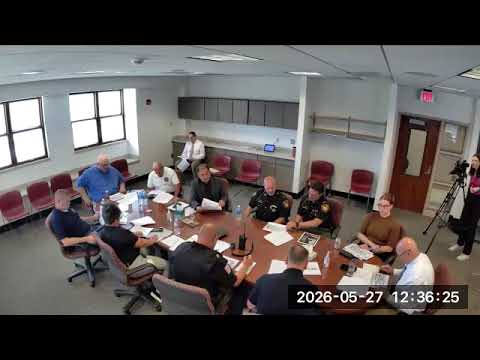
At a Trumbull County Board of Commissioners special meeting, local police and fire chiefs urged immediate action to address what they described as systemic problems at the county consolidated 911 dispatch center, including alleged double billing of agencies, missing memorandums of understanding and failing computer-aided dispatch (CAD) systems.
The chiefs and township representatives told commissioners they are paying inflated fees based on an outdated billing formula. "In 2023 the director instituted a temporary billing solution that ignored actual current call volumes," said Ravenhall, chief of Liberty Township, who described a method that used 2022 call counts multiplied by $7 per call plus a 10% premium. Ravenhall cited Holland Police Department as an example, saying its fee rose from $48,000 to $75,000 — an estimated 56% increase — and asserted some calls are being charged to police even when only EMS or fire units respond.
Why it matters: Chiefs said the billing approach and lack of auditable complaint trails are costing taxpayers and eroding confidence in the consolidated dispatch promise that the center would answer all calls, including 10‑digit non‑emergency lines, under signed agreements.
Casey McDonald, the county 911 director, told the meeting she and consultants are working on an updated final plan and that discussions about rerouting some non‑emergency calls were intended to reduce dispatcher workload, not to abandon answering those calls entirely. "We never said we were going to completely offload," McDonald said, describing ideas such as using an auto attendant (RapidSOS) to triage non‑emergency contacts.
Several chiefs and commissioners faulted the center for an operational void: they say they have not seen formal, centralized standard operating procedures or MOUs governing how the center bills and dispatches multiple agencies. "When we asked for those, one representative received 39 scattered email directives, no actual policy, no procedure, no MOUs," Ravenhall said.
Technology and safety concerns were central to the discussion. Multiple chiefs described CAD failures — freezing or long delays in the system, such as an eight‑minute delay — that can impede response during storms and high call volumes. "A CAD system is $1.5 million for a new one," McDonald said, adding that procurement and implementation would likely take 12–18 months. Chiefs called interoperability gaps between CAD and agency records-management systems (Sundance, Swift, ID Networks) an officer‑safety issue because critical field information does not flow back to dispatch.
The meeting included an extended exchange about options for systems and integration. Bill Dance of the prosecutor's office outlined the statutory role of the six‑member 911 review board created under the Ohio Revised Code and explained the consultant-driven draft final plan must be reviewed by that board before broader municipal and township approval. Several chiefs said the consultants should incorporate more direct input from the "paying customers" — the municipal and township police and fire chiefs.
Immediate remedies and next steps discussed at the meeting included a focused audit of bills and CAD records to remove duplicate or frivolous charges before invoicing, formalizing SOPs and MOUs with chief‑level input, pursuing CAD improvements or replacement, and improving hiring and retention to reduce forced overtime. "One life is too many to give up with improper equipment," a commissioner said, urging the board to prioritize CAD, staffing and operational fixes over immediate building expenditures.
There were no formal policy votes at the meeting. Commissioners concluded by saying they would work with the director and chiefs to improve communication, pursue technical solutions and return with more concrete plans. The special meeting was adjourned after a motion to adjourn was made, seconded and approved unanimously.
What's next: Commissioners indicated they will convene further work sessions with the 911 director and area chiefs, and consultants are expected to present findings to the 911 review board in the coming weeks, according to comments during the meeting.