Get Full Government Meeting Transcripts, Videos, & Alerts Forever!
Get email alerts on the International Negotiations topic
No spam. Unsubscribe anytime.
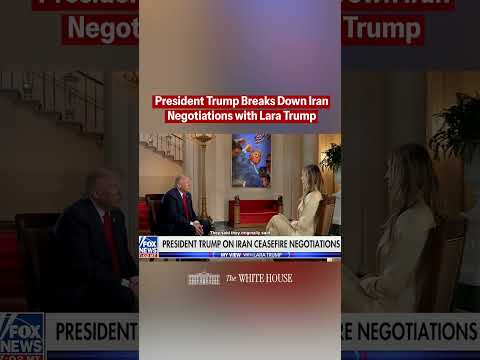
Presenter says a negotiated deal could save lives and that talks include a pledge not to acquire nuclear weapons
Summary
An unidentified presenter said a negotiated deal could "save a lot of lives," claimed the other side agreed not to develop or purchase nuclear weapons, and said he preferred negotiation but would resume military action if talks failed. The speaker did not identify himself and gave no formal timeline for an agreement.
An unidentified presenter said in short remarks that while a "great deal" might be possible, "there's no deal that's good enough because the media will cover it," and that he preferred a negotiated settlement over renewed military action.
The speaker said negotiators were "getting what we want," and that a signed deal could "open the straight immediately upon signing." He described the pledge he wanted as a guarantee "that there will be no nuclear weapons," adding, "They've agreed to that" and quoting revised language saying the other side would not "develop or in any way purchase a military weapon." The speaker also referenced a prior, brief military success in Venezuela as an example of decisive action.
Why it matters: the remarks combine a public preference for negotiation with repeated warnings that military force would be resumed if an acceptable deal cannot be reached. The speaker tied the potential agreement to immediate operational outcomes (reopening a maritime route) and to a security assurance about nuclear weapons.
Direct quotes in the remarks emphasized both caution and confidence: "We're making a great deal. We're going to make a great deal," the presenter said, and later, "the one guarantee that I have to have is that there will be no nuclear weapons." He also acknowledged a strategic trade-off: "If you're going to be in a hurry, you're not going to make a good deal," while saying he was "in no hurry."
The speaker did not identify himself on the record, and he did not cite documents, other officials, or an independent source to verify the claimed agreement about nuclear weapons. No formal negotiations, timeline, or next steps were announced in the remarks.
The brief remarks included no formal votes, motions, or policy actions by any governing body. They consisted of the presenter's characterization of ongoing talks and his judgment about trade-offs between faster outcomes and negotiating leverage.
The session closed without additional details about the status of talks or confirmation from other parties.