Get Full Government Meeting Transcripts, Videos, & Alerts Forever!
Get email alerts on the Battery Energy Storage topic
No spam. Unsubscribe anytime.
Rotterdam board introduces six‑month moratorium on battery storage after mixed public comments
Summary
The Rotterdam Town Board introduced a six‑month moratorium on new battery energy storage system installations and heard public comment from a developer representative who urged flexibility and residents who urged caution and criticized town financial decisions.
The Rotterdam Town Board on Oct. 8 introduced a six‑month moratorium on new battery energy storage system installations in the town and opened a public hearing on a draft local law.
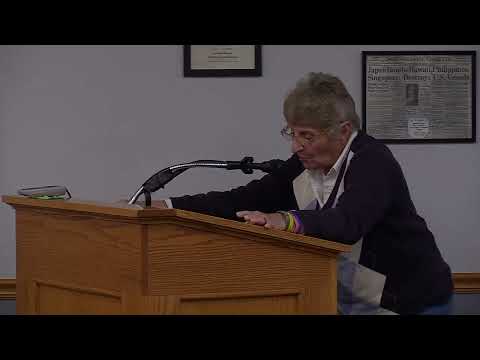
At the public hearing James Robinson, who said he represents Zenobi Americas, told the board his company is exploring a battery storage project adjacent to the Rotterdam substation and said he supported extending the moratorium while asking the town to preserve flexibility in the final code. "My company is based in New York City at 33 Irving Place," Robinson said. He added that the proposed project "minimizes impact to the town," that it would be "out of sight of the nearest public right‑of‑way, out of the aquifer recharge zone and is adjacent to the existing substation," and that it would provide "a long‑term source of tax revenue to the town and ... help to lower the energy costs for local residents." Robinson said Zenobi supports most provisions in the planning commission's draft but had "reservations about a minority of the provisions" and has submitted memos to the town explaining those concerns.
Resident Patty Mallet (457 Sanborn Road) also told the board she supports an extension of the moratorium "due to lack of a current comprehensive and enforceable local law."
During privilege of the floor, resident Brenda Terroian criticized the board's recent financial decisions and projects while urging caution. Terroian alleged the town gave $243,000 to an entity she called "Vaport," said the town waived interest on a deposit, and claimed a $1 million reduction in that property's assessment. She also criticized handling of Water District 5 (which she said is a $34 million project), alleging the town "failed to submit the necessary paperwork" to secure a low‑interest state loan and said a proposed water rate increase of about 24.5% is slated for the coming year. Terroian also warned that tentative property tax increases for 2026 could exceed the tax cap.
The board closed the public hearing on the moratorium after members moved and seconded closure; the motion carried on a 5–0 roll call.
Why this matters: Local moratoria on energy infrastructure can pause approvals while officials finalize zoning, safety standards and environmental safeguards. The developer representative said a carefully drafted code should allow properly sited projects to proceed; residents raised concerns about town finances, water projects and the pace of development.
Next steps: The board voted to introduce the local law establishing a six‑month moratorium; the planning commission and town staff will continue work on the draft code and any required public hearings before the moratorium or a final law takes effect.