Get Full Government Meeting Transcripts, Videos, & Alerts Forever!
Get email alerts on the Development Controls topic
No spam. Unsubscribe anytime.
Board advances plot‑plan and grading updates, opens sign‑code questions for committee review
Summary
The board advanced zoning changes that would require plot plans and grading/drainage review for residential increases in impervious coverage over 400 sq ft and set related fees; members also discussed Small Business Association requests to clarify portable‑sign, LED and feather‑flag rules and proposed a joint subcommittee.
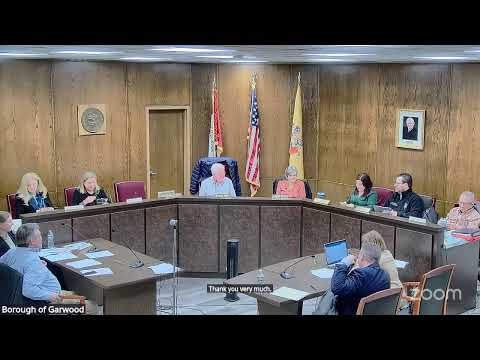
The Union County Planning Board voted Feb. 26 to advance proposed zoning amendments that would require a plot plan and grading/drainage review when a residential property increases impervious coverage by more than 400 square feet, and to set associated review fees.
Gabe of Harvard Consultants said the recommended threshold for plot‑plan and grading reviews is 400 sq ft of added impervious surface; the draft also recommends fees: a plot‑plan application fee of $100 with $500 escrow, and a grading/drainage review application fee of $200 with $1,000 escrow.
Board members asked whether those fees were comparable with other municipalities and expressed concern about overburdening small projects. "You don't want to get an engineer involved just because a 20x20 patio in your backyard" without cause, one member said. Planning staff and board members replied the planning‑board engineer would review proposals and tailor requirements so small, low‑impact projects are not forced into costly full engineering reviews, while larger or higher‑risk projects would require detailed drainage information.
During the public comment portion, the Small Business Association asked the board to clarify sign‑code language (including political signs), to consider permitting portable LED battery illumination and to revisit a prohibition on feather flags. Members recalled prior problems with feather flags toppling in strong winds and expressed safety and visual‑clutter concerns; one board member called for a cautious, rules‑based approach and proposed a joint subcommittee with small‑business representatives to draft guidelines on structural requirements, setbacks, time limits and permitting.
The board moved to advance the development assistance package (the flowchart and organizational clarifications) for publication after minor corrections; the planning‑board engineer will certify completion of any conditions required by approvals before construction permits or certificates of occupancy issue.
Next steps: the draft fees and 400‑sq‑ft threshold will proceed to publication per the board vote; staff and the planning‑board engineer will refine enforcement guidance, and a joint subcommittee with small‑business representatives will be convened to develop sign‑code specifics.
Why this matters: the changes affect when homeowners and developers must provide plot plans and drainage information and could obligate applicants to pay specified application and escrow fees; at the same time the board is balancing small‑project burden and neighborhood stormwater protection.