Get Full Government Meeting Transcripts, Videos, & Alerts Forever!
Get email alerts on the Large Development topic
No spam. Unsubscribe anytime.
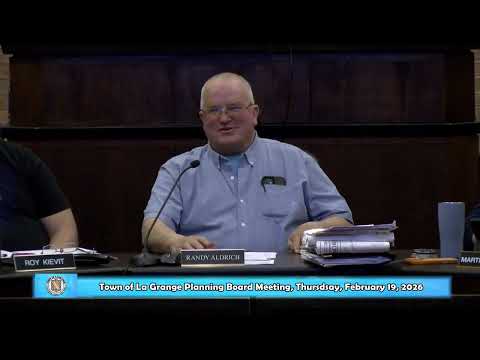
Planning board grants multi‑phase approvals for 135‑lot Daily Farm development
Summary
The La Grange Planning Board approved preliminary and final subdivision plats, site plan approval for a Planned Development District and freshwater wetland permits for Daily Farm, a phased project proposing 135 lots and preserving roughly 53 acres of open space. The resolution attaches more than 30 conditions, including bonding and agency referrals.
The La Grange Planning Board on Feb. 19 approved a series of interlinked decisions that clear the way for the Daily Farm Planned Development District, a multi‑phase project that calls for 135 residential lots and approximately 53 acres of preserved open space.
The board adopted a single resolution granting conditional preliminary subdivision approval, final subdivision approval, site plan approval for a PDD and a freshwater wetland/watercourse/waterbody permit. The motion passed following staff review and a lengthy presentation of findings that trace the project’s SEQR history to 2006.
The nut graf: the approval is conditional and includes an extensive checklist of requirements the developer must satisfy before construction and recordation moves forward — performance bonds and inspection fees, conservation easement recording, county health and public works approvals, proof of Army Corps/DEC permits where applicable, architectural review for townhouse buildings, and phased filing requirements tied to state and local code. Staff told the board the resolution consolidates prior public hearings and earlier SEQR work and establishes expiration timelines defined by the town’s PDD provisions.
Board members examined specific topics that remain outstanding as conditions, including the size and phasing of bonds, park/recreation fee requirements and the sequence in which sections will be filed and recorded. One member asked whether the project’s school‑impact data — drawn from a SEQR analysis prepared in 2012 and incorporated in the record — should be updated; town counsel and staff said SEQR does not automatically require new studies unless the board identifies a material change, but they left an option open for supplemental information if the board later deems it necessary.
Attorney Jennifer Vantile and applicant representative Ian Rieger were present for the vote. The resolution requires the developer to obtain all necessary county and state permits, provide engineering certifications and as‑builts for water and sewer infrastructure, post required performance bonds for each phase, and submit homeowners association documents before issuance of townhouse building permits.
The board concluded by voting to adopt the resolution with its attached findings and conditions. Staff said the developer hopes to meet tree‑work and other seasonal milestones to start early phases; the town will monitor compliance through established inspection and bond‑release procedures.