Get Full Government Meeting Transcripts, Videos, & Alerts Forever!
Get email alerts on the Zoning Ordinance topic
No spam. Unsubscribe anytime.
Council reviews major zoning changes: garages, C1 residential, lighting, and short‑term rentals
Summary
Council reviewed proposed revisions to the village zoning ordinance covering accessory‑garage height/setback rules, residential uses in the C1 commercial core (grandfathering options), corrections for lighting and possible nuisance ordinance, and options for transient/short‑term rental regulation (overlay vs. cap/licensing). Staff will draft final language for the next meeting.
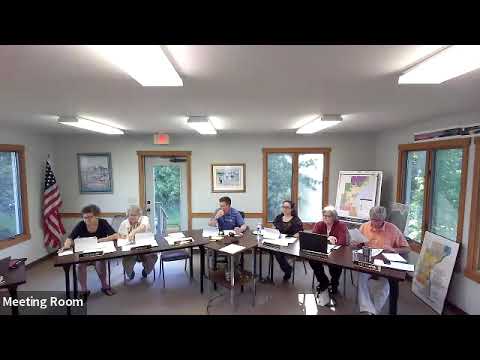
Council members spent the bulk of the June 13 meeting reviewing four substantive zoning topics in a revised Village zoning ordinance: (1) treatment of accessory garages and limits to prevent conversion to dwellings, (2) how to treat existing residences in the C1 core commercial district, (3) lighting and whether to adopt a separate nuisance ordinance, and (4) transient housing/short‑term rental (STR) regulations.
On accessory garages, staff and planning commissioners recommended tighter definitions to distinguish storage garages from accessory dwellings and debated requiring two‑story detached garages to meet the same setbacks as primary residences or to be limited by a percentage of principal structure height. One trustee said a two‑story garage that effectively contains living space should be treated as a dwelling for setback purposes; planning commissioners urged clear, enforceable definitions to reduce post‑construction conversions.
The proposed change that would make residential uses in the C1 district nonconforming prompted sustained discussion. Planning commissioners recommended grandfathering lawful residential uses that exist at ordinance adoption and allowing limited repairs or modest renovations (one proposal referenced a 120‑sq‑ft threshold) rather than creating a permanent prohibition that could impair mortgage or insurance access for affected homeowners.
On lighting and nuisance items, staff said the proposed zoning language currently does not address residential lighting in the way intended; the manager recommended preparing a village nuisance ordinance to consolidate enforceable provisions on noise, smoke, light and glare and to correct the zoning text where needed.
For transient housing and short‑term rentals, councilors and commissioners debated options: restore special‑use permit review, create an STR overlay district, or use a licensing/cap and registration approach (with grandfathering for existing registered units). A resident who spoke during public comment said she favored a numerical cap and licensing rather than an overlay for reasons of fairness and optics.
Councilors did not adopt ordinance changes at the meeting. Staff will bring a final draft of the zoning ordinance, including the corrections and any nuisance ordinance language, to the next council meeting and continue Planning Commission coordination and public outreach.