Get Full Government Meeting Transcripts, Videos, & Alerts Forever!
Get email alerts on the Solid Waste topic
No spam. Unsubscribe anytime.
Council seeks clarification on solid-waste contract increase and bulk-pickup options
Summary
Sanitation vendor signaled a 3% increase after the council exercised only one two‑year extension; councilors asked vendor whether both two‑year options would hold prior pricing and asked staff to model savings if the town reduced bulk pickups.
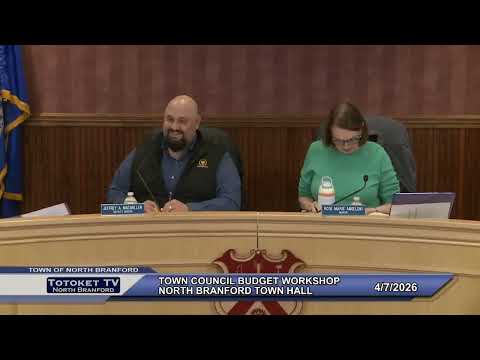
Councilors and staff used the April 7 workshop to examine prospects for next‑year solid‑waste costs. Public works and finance reported that the town’s hauler has interpreted an option period such that a discount that applied to the first optional year no longer carries forward; as a result the proposal in the packet shows a roughly 3% contract increase for 2026–27.
Councilors asked staff to reopen the matter with the vendor to confirm whether both two‑year options could be construed to preserve the lower price (staff said they would ask the vendor). Members also asked for a cost estimate showing the dollar savings from reducing the town’s two annual bulk-waste pickups to one; past conversations indicated that cutting a pickup would be a significant source of reduction but the town had not received a firm per‑year savings estimate at the workshop.
Why it matters: Garbage contract increases and the town’s service design (number of annual bulk pickups) directly affect residents’ service levels, the sanitation budget and the tax impact. The council asked for more precise pricing and an estimate of savings before deciding whether to change the service frequency next year.
What happens next: Staff will confirm the vendor’s position on optional-year pricing and provide the council with a model of the contract cost under either keeping two bulk pickups or reducing to one, including the vendor’s fuel adjustment/cost escalation terms. Councilors also noted condominium rebate calculations and asked staff to confirm why those lines changed year-to-year (answer: tied to assessed valuations and the mill-rate allocation method).