Get Full Government Meeting Transcripts, Videos, & Alerts Forever!
Get email alerts on the Municipal Budget topic
No spam. Unsubscribe anytime.
Council workshop reviewed admin, community development and public‑works budget shifts
Summary
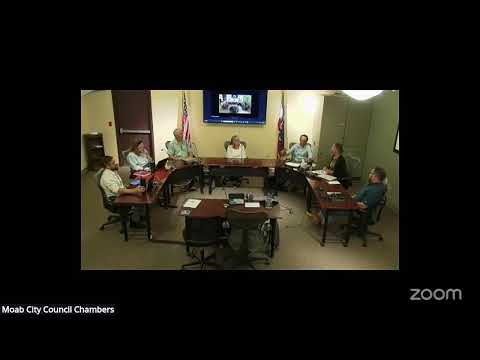
At a March 24 budget workshop the council reviewed administration, recorder and treasurer budgets (software moved to IT), a new Community Development Department consolidation of planning/building/engineering staff, and public‑works priorities including Class C road spending and stormwater needs.
Councilors and staff examined the city’s proposed FY26–27 budgets for administration, community development and public works during a workshop segment of the March 24 meeting. Alexi Bonnen summarized administration items: the combined administration group is a little under $5 million and shows a collective 9% increase largely driven by personnel costs; salary planning assumes about a 7% COLA/merit and benefits projected at 10%.
Staff explained that several software subscriptions (Polaris and other systems used across departments) were reallocated from HR, recorder and treasurer to a centralized IT budget to reflect city‑wide usage. The recorder’s personnel line contained a 13% salary increase driven by an off‑cycle compression adjustment; the treasurer’s salary lines rose ~18% for similar compression corrections.
Corey, community development staff, described a mid‑year reorganization that created a Community Development Department (CDD) with an administrative component to centralize department‑level subscriptions, permitting software, abatement budgeting and a department vehicle. The reallocation moved FTEs from planning and elsewhere into CDD rather than adding new positions, which explained large relative increases in the new department and corresponding decreases at division level (planning, building, engineering).
Public Works Director Levi reviewed eight budgets within public works. The streets division showed a small salary dip after a long‑term departure but higher benefit costs; the Roads (Class C) fund displays a 54% increase year‑over‑year driven by the Mill Creek overlay and a plan to spend roughly $750,000 annually on striping, crack sealing, small projects and rebuilding a salt shed. Staff noted aging equipment pressures and the need to coordinate CIP road projects with storm‑drain work on segments such as 100 West/200 North.
Council members asked for clarification on phone and travel line items, the proposed $10,000 local match for a potential $40,000 sustainability grant (staff said $10,000 city match would leverage $30,000 from the grant if awarded), and the purpose of a consolidated abatement budget (staff said the $40,000 allocation would likely cover roughly three average nuisance abatement actions; about four properties are currently in queue). No final budget vote was taken; staff will return with revenues, CIP and RAP tax items at subsequent meetings.