Get Full Government Meeting Transcripts, Videos, & Alerts Forever!
Get email alerts on the Public Comment And Preservation topic
No spam. Unsubscribe anytime.
Residents urge action after Waxhaw museum fire, allege harmful development practices
Summary
During public comment at the Dec. 9 meeting, residents described a recent three-alarm fire at a historic house and accused developers of clear-cutting land and creating persistent smoke and safety risks; commissioners thanked residents and noted the town will host public work sessions next year.
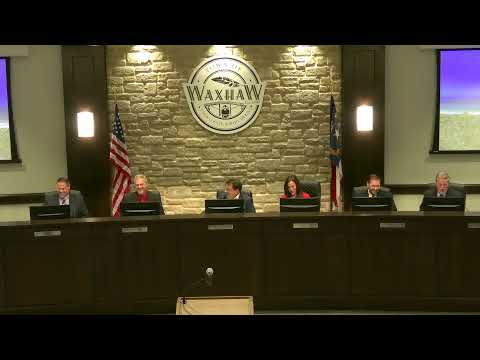
Several residents used the board's public comment period on Dec. 9 to press elected officials on safety, historic preservation and development practices following a recent fire.
Aaron Moldun told the board the November election returned a "residents first" mandate and criticized prior officials for treating developers "like royalty," saying residents were previously denied a voice at meetings. "We spoke loud and clear that a change in our representation was necessary," Moldun said.
Joe Lapos described a recent, three-alarm fire that destroyed a historic residence described in the comment as dating to about 1840. Lapos said large-scale clearing and burning of brush from nearby development exacerbated smoke and fire risk, and he urged the board to "rebuild the wall of Waxaw" and protect the town's history. "A horrible tragedy struck our wonderful town... the secret home built in 1840 burned to the ground," Lapos said.
Judy Davis thanked the board and urged civility toward town employees and volunteers, and Lisa Lisi congratulated the newly elected commissioners.
These statements during public comment are allegations and opinions offered by residents; the meeting transcript records no staff presentation or developer response to corroborate the claims about clear-cutting or the causes of the museum fire. No formal board action on these specific allegations was recorded during the meeting. Commissioners closed public comment by thanking speakers and noting upcoming public engagement opportunities, including in-person work sessions that will be live-streamed next year.