Get Full Government Meeting Transcripts, Videos, & Alerts Forever!
Get email alerts on the Rezoning topic
No spam. Unsubscribe anytime.
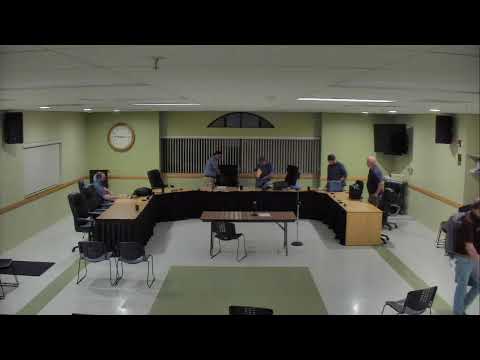
Hundreds attend Shenango public hearing on Route 12 rezoning; board keeps hearing open until July 9
Summary
More than 100 residents packed a Town of Shenango hearing June 25 to weigh a rezoning request on three Route 12 parcels owned by Christopher Bodc. Supporters praised local stewardship; opponents pressed for detailed plans, stormwater and wastewater answers. The board left the hearing open for written comments and continued it to July 9.
The Town of Shenango board on June 25 opened a contested public hearing on a rezoning application that would change three Route 12 parcels (1485, 1501 and 1505 New York State Route 12; tax map numbers 095.17-1-5, 112.21-1-1 and 095.17-1-4) from agricultural zoning to a Planned Development/Commercial zoning district (PDDC). More than 100 people attended the session and dozens spoke during the five‑minute public‑comment slots.
Christopher Bodc, the property owner, told the board he is a lifelong resident who has already invested in and improved multiple local properties. He said he was seeking the rezoning to enable a properly planned development in keeping with the town’s comprehensive plan and that any future development would still require full review processes — including SEQR, stormwater controls and DOT traffic assessments. “I’m not here to ruin your neighborhoods,” he said, and urged the board to let him present a plan.
Speakers were sharply split. Several residents said Bodc has a track record of careful property improvements and urged the board to allow the application to move forward so the town can expand its tax base and share infrastructure costs. “If not him, who will buy and responsibly develop this property?” one supporter asked.
Opponents — including long‑time residents and homeowners from nearby Quinn Estates — repeatedly told the board the application, as submitted, lacks essential detail. They said the public packet does not include a preliminary development plan with site layout, stormwater management, or infrastructure impact analyses. Several speakers raised water‑resource concerns, saying a nearby wetland feeds private wells and that Environmental Protection Agency staff had been contacted about protected waters and aquifer connections. Others warned that the rezoning could set a precedent for further corridor development without sufficient safeguards.
A planning‑board member present, Thomas Eldridge, told the audience the planning board issued a favorable advisory on the rezoning because the request aligns with the town’s comprehensive plan, which encourages development along Route 12. He emphasized, however, that a formal PDDC application typically includes a preliminary development plan and that the town must consider the most intensive reasonable development in environmental review.
Board members and staff acknowledged the information gap. Several elected officials said they need clearer answers about where sewage and runoff would be routed, the scope of development the PDDC would allow, and whether the applicant will submit a preliminary plan. Staff also noted that portions of the application appear to rely on PDDC rules that the board historically has treated differently in the corridor and that the town’s zoning code outlines a procedural path for PDDC applications that typically requires a development plan.
After hearing more than an hour of public comment, a board member moved to keep the public hearing open, accept written comments for two weeks and continue the hearing at 6 p.m. on July 9. The motion was seconded and approved by roll call. The board asked staff to renotice the continuation and to advise the applicant on what supporting materials the town needs to complete its review.
What happens next: The board will accept written comments through the two‑week period, and the hearing will resume July 9. Board members indicated they will expect either a more detailed preliminary development plan from the applicant or additional technical submissions (stormwater, wastewater, traffic) before making substantive land‑use decisions.