Get Full Government Meeting Transcripts, Videos, & Alerts Forever!
Get email alerts on the Boards Commissions Governance topic
No spam. Unsubscribe anytime.
Committee changes residency proposal for Center 50+; broader code changes to boards and commissions advance
Summary
The appointments committee debated requiring city residency for board members, considered exceptions for the urban growth boundary (UGB), and approved an amendment allowing up to two UGB‑residents on the Center 50+ commission. Staff will draft ordinance language for council consideration and return with more details on several other boards.
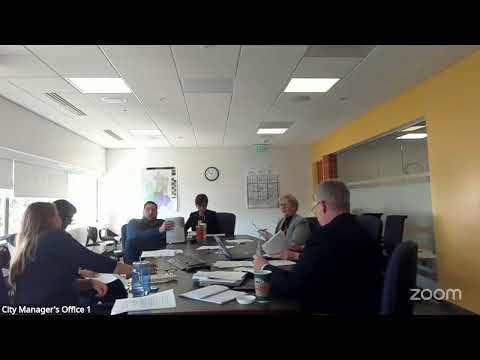
The Salem Boards and Commissions Appointments Committee spent the bulk of its Feb. 11 meeting reviewing proposed eligibility changes for advisory bodies and debated whether city residency should be a general requirement.
Staff recommended requiring city residency for most board and commission positions, with a limited exception for the planning commission. Committee members questioned how that rule would affect nearby residents who frequently use city services but live just outside the city limits. Multiple members argued for flexibility in some commissions that serve regional constituencies.
A proposal and subsequent amendment addressed Center 50+, a commission that serves older residents and receives funding that includes city levies. Committee members discussed the balance between taxpaying city residents and nearby UGB residents who rely on Center 50+ services. A motion was moved and seconded to allow up to two members from within the urban growth boundary (UGB) but outside city limits; the committee approved the amendment by voice consent and described the change as a “desired, not required” pathway to allow those members. No formal recorded roll‑call vote was entered into the meeting minutes at this time.
Staff also reviewed a large package of governance changes suggested by Moss Adams, including standardized bylaws and naming, annual work plans and reports for boards, restrictions on serving on more than two boards (with exceptions such as the budget committee and civil service commission), minimum age requirements (18 for most bodies), and expanded application questions to capture socioeconomic and life‑experience information. Committee members flagged specific boards for tailored approaches — for example, the Downtown Advisory Board (DAB) and the Community Police Review Board (CPRB) — and asked staff to return with draft ordinance language and the code edits necessary to implement the package.
Several items will require ordinances or charter language that may need voter approval; staff said they will prepare code drafts for the committee and then for first reading at council. The committee agreed to reconvene to finish remaining items before presenting a consolidated package at council.