Get Full Government Meeting Transcripts, Videos, & Alerts Forever!
Get email alerts on the Rail Corridor topic
No spam. Unsubscribe anytime.
Town board tables resolution on 1.76‑mile railroad corridor amid heated local split
Summary
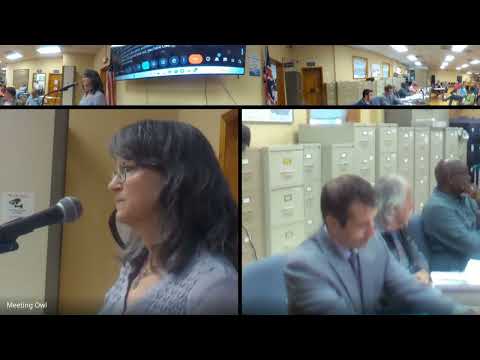
The Town of Hurley board voted to table a resolution about the future of a 1.76‑mile section of the Delaware Railroad corridor after residents and board members described a sharp 50/50 split over rail‑only, trail‑only or rail‑and‑trail options and urged the county to lead engineering decisions.
The Town of Hurley board voted to table a resolution on the future of a 1.76‑mile “undesignated” section of the Delaware Railroad corridor after months of contentious public comment and competing technical claims.
The board’s presiding official said the town has limited authority over the county‑level decision and emphasized a desire not to deepen divisions in the community. “I don’t want to see this town divided,” the presiding official said, urging the county to decide the corridor’s fate so neighbors would not be pitted against one another.
Residents and volunteers pressed different approaches. Kevin Smith, chair of the county trails advisory committee, praised existing rail‑trail connections that have driven local recreation and economic activity and urged continued trail development. Tim Kelly and other residents warned against particular infrastructure near residences, while Patty Goodwin pointed to engineering work the county and the Open Space Institute funded that, she said, suggests rail‑and‑trail is not feasible on the narrow section in question.
Supporters of an approach that preserves space for a rail service plus a parallel trail described conceptual economic benefits for neighboring hamlets; opponents said the narrow corridor and steep grades make dual use impractical and risk safety problems for bicyclists and walkers if implemented poorly. “It concerns me that… people who are not even residents were poking their noses in,” one resident said, urging careful review and local involvement.
Several speakers called for an independent engineering study restricted to the 1.67–1.76 mile segment so the county could assess feasibility objectively; others said additional studies would likely reach the same technical conclusions reached previously. Board members noted prior local resolutions (one cited from 2021) and discussed whether to rescind or reframe them, but ultimately agreed the county’s review should lead.
After discussion the board voted to table the town resolution and deferred further town action until the county’s process advances. The item will return for further local consideration if county decisions or new technical information change the circumstances.
The meeting included public‑comment testimony both supporting and opposing rail‑plus‑trail options, repeated calls for clear traffic and safety plans along Route 28, and requests that the town secure “involved agency” status in environmental review processes where appropriate. The board also appointed volunteer members to the town’s rail‑trail committee at the meeting and instructed staff to share public feedback with county contacts.
The board did not adopt a formal town position on the corridor at this meeting; members said they would stay engaged with county hearings and engineering reports and revisit a town resolution if needed.