Get Full Government Meeting Transcripts, Videos, & Alerts Forever!
Get email alerts on the Budget topic
No spam. Unsubscribe anytime.
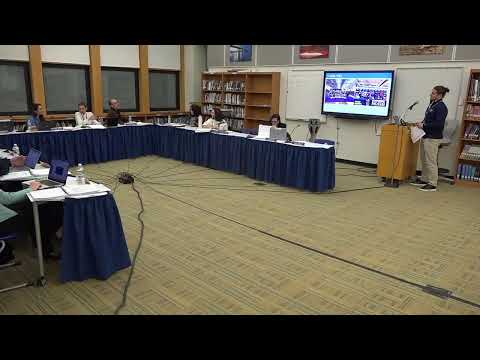
Pelham schools propose $99.092 million 2026–27 budget, citing tax-cap pressures
Summary
The Pelham Union Free School District presented a proposed $99.092 million 2026–27 budget with a 3.72% proposed tax-levy increase, citing rising health-care, special-education and transportation costs and a $2 million funding gap the administration closed through efficiencies and limited staffing reductions.
The Pelham Union Free School District on March 4 presented a proposed 2026–27 operating budget of $99,092,000 and a tax-levy increase that the administration says is tax-cap compliant at 3.72 percent.
Superintendent Dr. Champ framed the budget as a multi-night, line-by-line review meant to preserve programs while staying within the tax cap. "Staying within the tax cap requires prioritization and careful management," Dr. Champ said, summarizing the board's guidance to preserve programs, support special education, and manage staffing responsibly.
Why it matters: the district says costs for health care, special education and transportation are rising faster than general inflation. Presenters told the board a roughly $2 million gap opened when projecting next year’s costs and that the proposed budget combines revenue updates, reduced contract and consulting spending, targeted attrition and modest staffing changes to close that gap without large program cuts.
Business-office overview: Jim Ricky of the district business office walked the board through revenue assumptions and reserves. "The largest category of financing ... is property taxes which make up just under 78% of the budget," Jim Ricky said, underscoring the district’s reliance on local levy and the limited levers available under state tax-cap rules. The district expects a net increase in state aid of $385,000 year to year and forecasts about $1 million in interest income, which helps narrow the shortfall.
Reserves and tax impact: Administrators proposed using a mix of fund-balance draws and exclusions (debt-service provisions) to smooth levy impact. They stressed that use of reserves should be strategic and limited to avoid harming the district’s long-term credit rating. The presenters showed homeowner examples for a median-assessed home (about $1.2 million assessed) with estimated annual increases presented as ranges: roughly $358 (for a 3% assessment change), $692 (4.7%), or about $1,500 (9%), and repeatedly cautioned these are estimates.
Next steps: The board continued a scheduled series of line-by-line hearings; administrators said the board will hold additional budget-review sessions and that the district plans a public vote on the school budget on March 19.