Get Full Government Meeting Transcripts, Videos, & Alerts Forever!
Get email alerts on the Strategic Planning topic
No spam. Unsubscribe anytime.
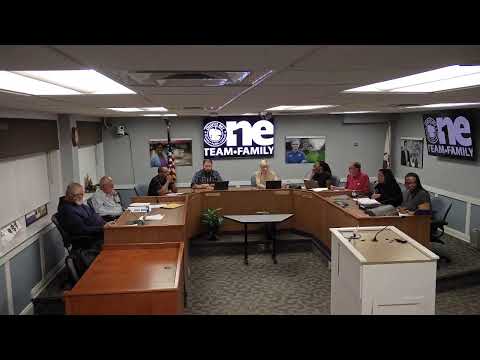
Board approves Roadmap 2030 Phase Two; trustees press for tighter technology policy
Summary
The board approved the Roadmap 2030 Phase Two package — a strategic plan on a page, balanced scorecard KPIs and a SWOT analysis — and discussed concerns about classroom iPad use; trustees said tactical technology questions should be addressed in implementation and policy work in Phase Three.
The Decatur Public Schools Board of Education voted on May 26 to approve Roadmap 2030 Phase Two deliverables: a one‑page strategic plan (mission, vision, values and goals), a balanced scorecard of key performance indicators and a community‑informed SWOT analysis. The motion passed on a roll call vote with seven ayes and zero nays.
Presenters Ashley Grennan and Dr. Jay Moreno described a multi‑phase process that began with community engagement in October 2024 and continued through phase two, which refreshed community input and produced the strategic plan and measures for board oversight. "For the first time, I feel like we are creating a plan for the district with the community involved at the beginning," presenter Susie Neeseman said.
During Q&A trustees raised concerns about classroom technology and iPad usage. Trustee Reynolds said he is "really anti‑technology" and expressed worry that devices and on‑demand information could harm learning; other trustees and presenters argued that technology is a tool that must be integrated thoughtfully and that tactical decisions (such as whether students carry devices) are best handled through administrative policy and the student code of conduct. One presenter summarized the philosophy: "If you always do what you've always done, you're always going to get what you've always had." Board members asked that phase three include concrete implementation steps and deeper discussion of technology use, assessments and family engagement.
Presenters said phases three and four will proceed in parallel, beginning immediately, and full implementation is targeted for the 2027–28 school year. The approved materials will allow the board to monitor high‑level KPIs while staff develop smart goals, action plans and timelines.
Next steps: administration will begin phase three implementation planning next week, bring prioritized measures to the board for oversight, and return with policy or code‑of‑conduct recommendations as needed.