Get Full Government Meeting Transcripts, Videos, & Alerts Forever!
Get email alerts on the Water Conservation topic
No spam. Unsubscribe anytime.
Harrisville directs 20% park irrigation cuts, trims splash‑pad operations to conserve water
Summary
Council directed staff to pursue a roughly 20% reduction in park irrigation and approved restricting splash‑pad operation and hours to cut water use; staff will prioritize high‑traffic areas and monitor impacts.
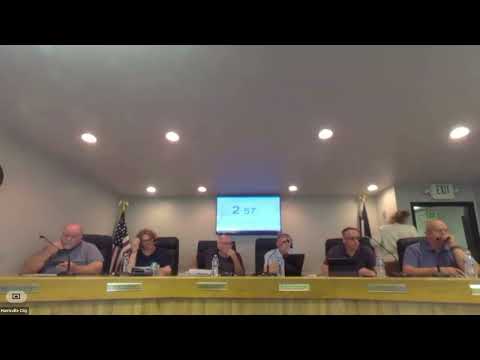
At the May 12 meeting, Harrisville’s council gave staff direction to pursue water‑saving measures for municipal parks and facilities. Staff and parks leadership recommended a staged 20% reduction in secondary (irrigation) water for city‑maintained parks while preserving higher service levels for high‑use fields (baseball/softball); recommended tactics include aeration, targeted fertilization, use of moisture‑retention agents on ball fields, replacement of inefficient sprinkler heads, and controller upgrades that could use ET (evapotranspiration) data to reduce unnecessary watering.
On the splash pad — a recirculating 1,800‑gallon feature that city staff must drain and refill weekly for health checks — staff estimated the maintenance and losses led to roughly 2,000 gallons per week and about 28,000 gallons per season. Council directed a roughly 20% reduction in splash‑pad operations by limiting days and hours (examples discussed: operate three days a week or reduce hours per day). Council emphasized flexibility: staff may tighten or loosen operating days based on measured water use and public reaction.
Council also asked staff to continue replacing leaky or inefficient sprinkler components across parks and to explore smart‑controller options, recognizing upfront costs but noting long‑term savings in water use. Staff said they will report back with monitoring data and refined savings estimates.