Get Full Government Meeting Transcripts, Videos, & Alerts Forever!
Get email alerts on the Animal Regulation topic
No spam. Unsubscribe anytime.
New Britain council advances ordinance to bar retail sales of mill-bred puppies and kittens
Summary
After a presentation on breeding conditions and enforcement options, New Britain Borough Council authorized advertisement of an amendment to Chapter 108 that would bar retail sale of puppies and kittens from commercial mills and allow rescue/adoption displays.
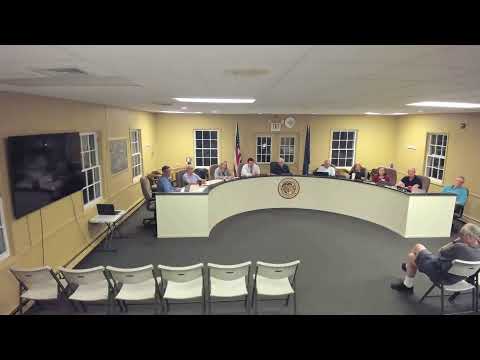
New Britain Borough Council on June 12 authorized advertisement of a proposed amendment to Chapter 108 that would prohibit pet stores from selling puppies and kittens sourced from commercial “puppy mill” or “kitten mill” operations.
The council moved the measure after an extended presentation by Mark Fineo, who outlined conditions common at commercial breeding operations — overcrowded cages, poor veterinary care, early weaning and behavioral and health problems in animals — and argued retail bans are a direct way to cut local demand. “Pet stores serve as a conduit for those animals to be sold,” Fineo said, adding that many kittens and puppies seen in retail windows come from large-scale, inhumane breeders.
The presentation reviewed enforcement trade-offs. Council members asked whether the ordinance should try to define a “mill” or instead require documentation of origin. Fineo said origin-certification regimes are expensive and difficult to enforce; a retail-sale prohibition is simpler and has worked for neighboring municipalities. He cited model efforts such as “Victoria’s law” and noted that several Pennsylvania municipalities and six states have enacted related restrictions.
Council and staff discussed exemptions and drafting details. The draft would allow pet stores to host rescue organizations and display adoptable animals while preventing retail sales of commercially bred animals. Staff described a 180-day implementation period and said certain narrow bags and uses (e.g., produce, meat packaging) would be handled under other ordinance language when applicable.
After questions and discussion, council voted to authorize advertisement of the ordinance so it can be formally advertised and scheduled for further hearings and a public comment period. The action does not adopt the ordinance; it moves the draft to the public-advertising stage and begins the statutorily required notice period.
If formally adopted later, the change would be codified into Chapter 108 (Animals). Fineo urged the council to proceed, saying local bans can both prevent new pet-store conduits for mills and build momentum for broader state-level reform. “The way to do it is to cut off the largest conduit for those animals to get sold,” he said.
The council did not set a final adoption date; next steps are advertisement for public notice and later hearings before a final vote.