Get Full Government Meeting Transcripts, Videos, & Alerts Forever!
Get email alerts on the Shoreland Protection topic
No spam. Unsubscribe anytime.
Conservation commission urges tighter shoreland and stream protections as Camden planners scope code rewrite
Summary
At a joint Dec. 16 workshop, Camden planners and conservation advocates discussed removing the state's 30% shoreland expansion allowance for sensitive water bodies, extending protections to certain streams and exploring moratoria or incentives to avoid scattershot shoreline armoring.
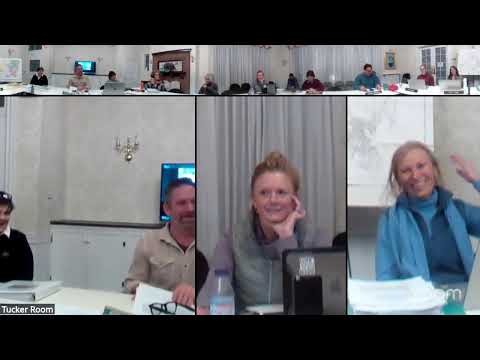
Camden's Planning Board and Select Board heard conservation concerns at a joint workshop on Dec. 16, when members of the conservation commission and town staff urged tighter local restrictions on shoreline expansions and new protections for important streams.
Conservation interests highlighted water-quality risks from increased impervious surface and the statutory allowance that lets property owners expand structures by up to 30% within shoreland zones. Planning staff said the 30% allowance originates in state mandatory minimum shoreland rules and that the commission wants to reduce or eliminate local reliance on that allowance for sensitive waters.
Jeremy Martin, the town's planning and development director, described the rationale: several local water bodies are on state "threatened watershed" lists and increased lot coverage and reduced buffers contribute to nutrient and sediment runoff. "Those 30% expansions in the shoreland zone'from a water-quality perspective, that is not a good thing," he said.
Spring Brook and other streams: the conservation commission asked that the town consider extending shoreland-style buffers or tailored protections to a small set of significant streams (Spring Brook was discussed as one example) rather than proposing a town-wide expansion of the shoreline ordinance. Staff noted that the state's natural-resources protections (which apply within 75 feet) do not provide the same water-quality safeguards as a wider shoreland buffer.
Armoring and moratoria: participants debated shoreline armoring (hard structures such as bulkheads) versus hybrid or vegetative approaches. Several board members supported the idea of a temporary moratorium on non-emergency armoring to allow the town to develop a more consistent, science-backed approach. The group also discussed incentives for property owners who preserve natural shoreline buffers or provide perpetual public easements for access.
Implementation and enforcement: planners proposed procedural changes including stronger submittal requirements—engineer-certified as-builts and certificates of compliance—for larger projects in shoreland and sensitive watershed areas to ensure approved plans match built results.
Next steps: the Planning Board will incorporate conservation commission recommendations into code-change scoping and will discuss a possible moratorium and draft standards in coming meetings. No regulatory changes or votes were made at the workshop.