Get Full Government Meeting Transcripts, Videos, & Alerts Forever!
Get email alerts on the School Budget topic
No spam. Unsubscribe anytime.
North Reading committee unveils $42.5M FY2027 budget with modest restorations, $32,781 gap
Summary
Administration proposed a $42.5 million FY2027 budget — a roughly $1.7 million (4.3%) increase — that restores a small number of staff positions, adds targeted student-support roles and leaves a $32,781 projected gap to reconcile before Town Meeting.
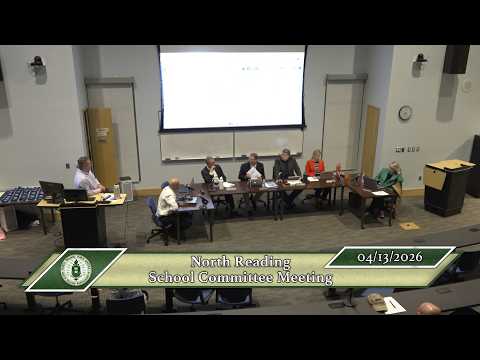
The North Reading School Committee heard a detailed FY2027 budget presentation April 13 and the administration proposed a general-fund budget increase of roughly $1.7 million (4.3% over fiscal 2026), bringing the district’s all-funds projection to about $47 million. "We are now looking at a budget that's going up by a little more than $1.7 million over fiscal year 26, or an increase of 4.3%," finance staff said during the presentation.
Administration characterized the ask as a "modified level services" budget: it meets contractual salary obligations and seeks modest restorations to address enrollment shifts and higher-needs students. Proposed restorations total roughly 3.5 full-time equivalents and focus on special-education teachers, elementary paraprofessionals to keep class-size guidelines, academic-intervention tutors, a 0.5 floater nurse and an additional school adjustment counselor to provide building-level social-emotional supports.
Officials said much of the district’s budget is fixed: personnel represents roughly 84% of the proposed spending. The administration also highlighted offsets from state circuit-breaker reimbursements that will help the district next year. The latest revenue plan showed a remaining budget gap of $32,781; administrators recommended reconciling the gap through modest internal adjustments so the district can present a balanced budget at Town Meeting.
The committee and administration debated user fees and revolving accounts. Administrators noted user fees currently cover about 30–35% of direct costs for optional programs (transportation, athletics, performing arts and kindergarten tuition). They warned that raising user fees further would shift burdens to families; the committee discussed possible strategies such as tying fees to account balances or smoothing increases over several years.
The committee opened and closed the budget hearing by unanimous 5–0 voice votes and will vote on a final budget at a later meeting before Town Meeting. Administration said it will continue to monitor state budget actions and would update the committee if reconciliation changes local projections.