Get Full Government Meeting Transcripts, Videos, & Alerts Forever!
Get email alerts on the Implementation Guidance topic
No spam. Unsubscribe anytime.
How tribal programs adapted the Virtual Dementia Tour: consent, debriefing and partner tips
Summary
Presenters advised practical steps for partners: start with tribal service providers and ADRCs, adapt debriefs and consent forms for cultural relevance and youth, modify VDT garb for safety, and plan periodic refresher trainings.
Presenters in the webinar highlighted concrete practices for organizations that want to partner with tribal communities to deliver or adopt the Virtual Dementia Tour (VDT).
Starting a partnership: Amber Hoon advised that local governments and community-based organizations begin by reaching out to tribal service providers and tribal staff who can guide the relationship; Carrie Lindsay recommended county Aging and Disability Resource Centers (ADRCs) and tribal ADR specialists as useful connectors.
Cultural adaptations and consent: Both presenters said the educational debrief is where cultural tailoring matters most. Hoon said debrief outlines can be filled in case-by-case to include culturally relevant content. For youth participants the presenters adapted the VDT hold-harmless/consent form to include parents or guardians and changed delivery to single-participant runs to reduce distraction.
Debrief format and emotional safety: Carrie said she prefers one-on-one debriefs because "some people really needed that one-on-one talk time," while group debriefs can be effective when participants are ready to share collectively. Presenters stressed screening for trauma-related risks and altering garb use accordingly (for example, headphones without sound if auditory cues would harm someone with PTSD).
Training cadence and sustainability: Presenters recommended periodic repeat experiences (annual or semiannual refreshers) for staff to reinforce learning and accommodate turnover. Hoon highlighted that training tribal dementia care specialists as facilitators supported sustainability and enabled broader community delivery.
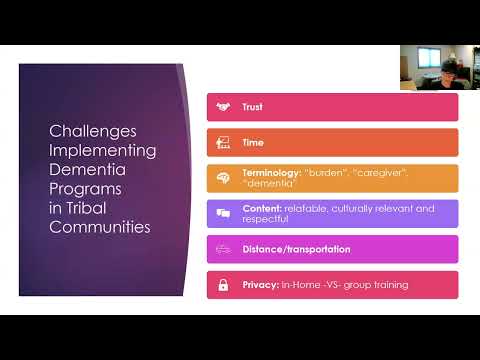
Practical checklist for partners (speaker-sourced): - Contact tribal service providers or tribal ADR specialists as initial outreach; explain intentions and listen before proposing programs. - Consider one-on-one delivery or home visits when privacy or transportation are barriers. - Adapt terminology (use "brain health" or "informal caregiver" when appropriate) and tailor debrief content to local cultural norms. - Modify consent for minors and limit youth runs to single participants; include visual educational materials to supplement debriefs. - Plan for regular refresher trainings and certify multiple facilitators to ensure continuity.
Presenters directed attendees to Second Wind Dreams for vendor information and said they would share contact email addresses for follow-up.