Get Full Government Meeting Transcripts, Videos, & Alerts Forever!
Get email alerts on the Drought Water Supply topic
No spam. Unsubscribe anytime.
Berthoud water managers warn of very low snowpack; staff urges voluntary conservation
Summary
Town water managers said 2020 snowpack and streamflows are far below average, described supply projections through October and urged voluntary measures — two sprinkler days a week, smart irrigation, and HOA outreach — while trustees asked staff to prepare a drought response plan with tiers and triggers.
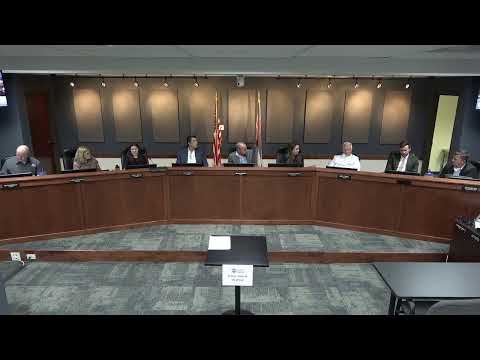
At the April 28 meeting, the town’s water utilities team outlined regional drought conditions and what they mean for Berthoud’s supplies this year. Water Director Ken Matthews and Water Resources Administrator Alex Cannon reported record-low April snowpack for the South Platte and Colorado River basins, reduced projected streamflows, and limited prospects for Windy Gap pumping. Cannon said Northern Water set an April Colorado-Big-Thompson (CBT) quota higher than initially forecast (80%), which provides some relief, and the town’s decreed direct-flow water will be used as the primary supply through the irrigation season.
Cannon said staff projects municipal demand through the end of October and concluded that, with conservative estimates of supply, the town can meet projected 2020 demand but that carrying over supply into 2021 would be prudent. He urged voluntary conservation measures now — watering early or late, limiting sprinkler irrigation to one or two days per week where possible, and active sprinkler management — and highlighted outreach partnerships such as Resource Central and Northern Water.
Trustees pressed for a formal drought response plan that defines actions and triggers to move from voluntary to mandatory restrictions. Matthews and Cannon said a draft plan exists and can be polished and adopted quickly if conditions worsen; they recommended establishing tiered restrictions for board adoption rather than numeric automatic triggers so staff can respond to changing operational conditions.
Next steps: staff will continue daily monitoring and outreach, use smart controls on town parks to prioritize athletic fields and young trees, and return with a refined drought response plan and communications materials for public and HOA engagement.