Get Full Government Meeting Transcripts, Videos, & Alerts Forever!
Get email alerts on the Water Backflow topic
No spam. Unsubscribe anytime.
Berthoud staff introduce stricter backflow and cross-connection rules after 2024 contamination event
Summary
Town staff presented a municipal code update to require testing, installation and tracking of backflow prevention devices for commercial, multi-family and irrigation connections after a 2024 backflow event. The proposal would set RPZ assemblies as the default for high-hazard sites, require HOA/metro-district participation, add fines and a tracking program and return for final action on May 12.
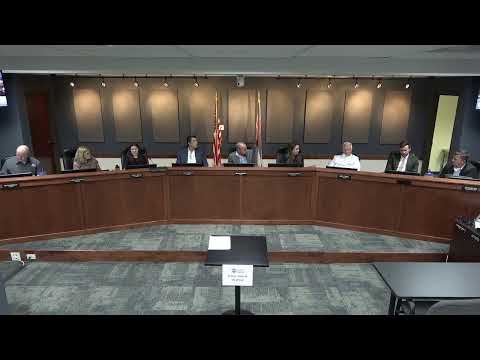
Town staff on April 28 introduced a proposed ordinance to tighten Berthoud’s cross-connection control program after a 2024 backflow event contaminated the potable supply and sickened residents. Project engineer Savannah Dumler and operations manager Tyler Carpenter said the draft would align local code with Colorado Department of Public Health and Environment regulation 11.39 and add a new municipal section requiring testing, installation and town tracking of backflow prevention devices at commercial, industrial and multi-family sites.
Dumler described the drivers for the change: “public health is our number one concern,” and staff wants to prevent a recurrence after the 2024 event, she said. The draft would set reduced pressure zone (RPZ) assemblies or equivalent as the default protective device at high-hazard commercial and multi-family locations and require certified annual testing by a certified backflow tester. New test reports, failed tests and repaired-device tests would be due to the town within seven days, and the town would add penalty provisions for noncompliance, including a typical $1,000 fine and higher penalties and cost recovery for cross-connection events.
Staff said single-family homes would generally remain exempt unless the home has a separate irrigation tap, fire suppression system or an identified cross connection. Dumler emphasized the program also anticipates working with homeowners associations and metro districts: HOAs would be required to notify residents annually and sign an affidavit confirming they are upholding the program’s responsibilities for non-potable delivery systems.
Trustees pressed staff on implementation details. Trustee Wing and others urged explicit inclusion of metro districts — not just HOAs — because metro districts are legally distinct entities in Colorado and can operate the non-potable systems that were implicated in the earlier event. Dumler said the language could be adjusted to name metro districts. Trustees also asked about timelines and grace periods; staff reported the state framework typically supports 90-day compliance windows after discovery and that fines in the town fee schedule have not historically been enforced but would be implemented more strictly going forward.
Several business owners and downtown property owners spoke during public comment, expressing concern about a blanket RPZ requirement and the financial impact on small businesses if devices must be retrofitted. A downtown business owner provided cost estimates and urged the board to allow alternative, hazard-based approaches rather than a prescriptive RPZ requirement for all commercial sites. Dumler and Tyler replied that the RPZ is the ‘‘most protective assembly’’ and that alternative methods such as an air gap often require annual town inspections and greater staff time to administer. They said the proposal is designed to be protective and administrable by the town.
Board members asked staff to return for final consideration on May 12 and requested added materials in the interim, including clearer language about HOAs and metro districts, options for phased or financial assistance for impacted businesses, and more precise outreach and implementation timelines. Dumler said staff will bring the ordinance back and undertake outreach before adoption.
Next steps: the board scheduled the ordinance for further consideration at its May 12 meeting and asked staff to provide a clearer cost, timeline and outreach plan for businesses and metro districts.