Get Full Government Meeting Transcripts, Videos, & Alerts Forever!
Get email alerts on the Public Comment Conditions topic
No spam. Unsubscribe anytime.
Families and advocates press TDCJ on parole decisions, food, photos and heat during public comment
Summary
Nineteen registered speakers described individual parole, visitation, and medical problems and urged board action on nutrition, inmate photos, grievance processes, solitary confinement and the pace of air‑conditioning installations.
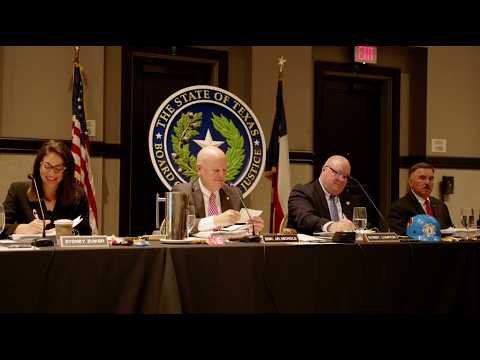
A sustained and often emotional public comment period at the Texas Board of Criminal Justice meeting brought dozens of family members, advocates and formerly incarcerated people to the podium to press for reforms.
Who spoke and what they asked: Danny Allen described a single inmate case (Rex Alexander, TDCJ inmate 648577) she says has been eligible for parole since 2004 and denied repeatedly; she also described spoiled meals and called on the board to visit units unannounced. Several commenters including Angie Agapitus and Jessica Barrow called solitary confinement inhumane and requested alternatives and better mental‑health supports. Multiple relatives (Gloria Rubach, Tina Barrow, others) raised concerns about inconsistent visitation and photo schedules for death‑row inmates and problems obtaining medical releases and insulin for loved ones.
Nutrition and grievances: Speakers said food budgets and menu execution were inadequate, with one witness citing an estimated per‑person food spend of about $2–$2.60 per day and urging improvements to reduce health harms. Formerly incarcerated speakers (David Renan) criticized the grievance system, saying some grievances “disappear” and urging independent review and better reporting of upheld vs. denied grievance rates.
Heat and accountability: Speakers including Marcy Simmons and Melissa Chapman Bell pressed the board for transparent timelines and full funding to address extreme heat in unairconditioned housing; Chapman Bell urged consideration of emergency procurement or emergency declarations to accelerate temporary cooling where lives are at risk.
Board response: Chair Eric Nichols repeatedly thanked speakers for respectful testimony, noted the presence of board representatives from related agencies (for example the Board of Pardons and Paroles on parole‑eligibility questions), and said TDCJ staff would be asked to respond to several specific issues later on the agenda. Board members and staff pointed to forthcoming agenda items that would cover projects and timelines for air conditioning and other facility work.
Why it matters: These public remarks provided a cross‑section of family and advocacy concerns the board oversees — parole review, conditions of confinement, medical care, grievances and environmental safety — and set the context for policy and capital decisions that followed in the meeting.