Get Full Government Meeting Transcripts, Videos, & Alerts Forever!
Get email alerts on the Little League Funding topic
No spam. Unsubscribe anytime.
Beach Grove Redevelopment Commission asks Little League for quotes and sponsorship leads on $100,000 funding request
Summary
Vice President David Copenh presented a $100,000 request from the Beach Grove Little League for safety, ADA and field repairs. Little League president Chad described aging fields and limited volunteer capacity; commissioners asked the league to return with prioritized quotes and sponsor commitments before the RDC considers funding.
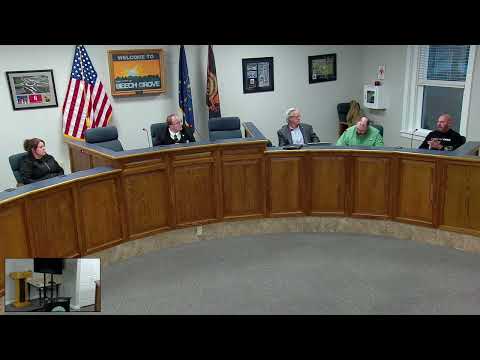
The Beach Grove Redevelopment Commission on its February agenda considered a $100,000 funding request from the Beach Grove Little League but took no vote, instead asking the league to return with prioritized quotes and sponsorship commitments.
Vice President David Copenh, who reviewed the application, said the request covers safety upgrades, ADA-accessible restrooms and operational improvements and argued the league generates measurable local economic activity through tournaments that bring families into Beach Grove. "When you look at what the Little League does for the city of Beach Grove, it's pretty awesome," Copenh said, urging the commission to consider sponsorships as a funding strategy rather than relying solely on taxpayers.
Chad, identified on the agenda as the Little League representative, told commissioners that volunteer capacity is insufficient for major repairs and described aging dugouts, recurring drainage problems and raised home plates that present safety risks. "The fields need to be completely redid for safety purposes," Chad said, adding the league has seen enrollment recover since the COVID downturn and wants to host district tournaments to draw multi-day visitors and local spending.
Commissioners and the Little League discussed responsibilities under the league's park-use agreement: the league maintains fields inside the fenced area while the city handles some park infrastructure outside the fence. Chad said ADA restroom upgrades are on the parks department's five-year plan but had no firm timeline.
The clerk-treasurer, speaking for the parks office, cautioned against the $15,000 estimate in the application for an ADA restroom, saying an indoor upgrade previously cost $23,000–$24,000 and that an outdoor, ADA-compliant restroom could be closer to $50,000. "Outdoor, you're probably looking for at least double of that," the clerk-treasurer said.
Commissioners recommended a two-step approach: the Little League should (1) return with up-to-date quotes and a clear priority list that distinguishes work inside the fenced fields from improvements outside the fence, and (2) actively pursue sponsorships for items such as electronic signage and scoreboards before seeking RDC funds. Commissioners noted RDC practice is typically to pay invoices after work is completed rather than provide large up-front grants.
The commission also flagged a legal constraint raised during discussion: a commissioner referenced a prior local case (City of Mishawaka) to note that RDCs can finance capital improvements but generally may not be used to commit to long-term operational maintenance, a factor that would limit the RDC's ability to fund ongoing upkeep.
No formal vote was taken. The commission asked the Little League to submit prioritized quotes and sponsor commitments and said the item will return to the March agenda for further review.