Get Full Government Meeting Transcripts, Videos, & Alerts Forever!
Get email alerts on the Salary And Compensation topic
No spam. Unsubscribe anytime.
Somers board adopts midyear salary adjustments after comparative pay study
Summary
The Somers Board of Finance voted Oct. 14 to implement midyear salary adjustments, approving an $8,781 appropriation and internal transfers to fund part of a plan—effective Jan. 1—to close gaps identified in a comparative salary survey and retain town employees.
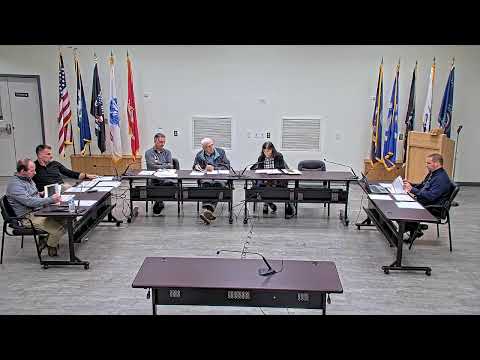
The Somers Board of Finance voted Oct. 14 to adopt a midyear salary-adjustment plan aimed at narrowing recruitment and retention gaps highlighted in a recent comparative survey of six peer towns.
The board approved an $8,781 appropriation and a set of internal transfers to cover the town’s share of increases scheduled to take effect on Jan. 1 for the second half of fiscal 2026, the finance staff said. The presenter described internal transfers totaling $95,204 that would reallocate funds among existing line items; the transcript does not provide a clear, verifiable total cost figure for Jan. 1–June 30 beyond those line items.
“The town salaries are on the low side and they have been for a long time,” the First Selectman said in introducing the effort, arguing that the survey is intended to preserve the town’s workforce and avoid ad‑hoc pay decisions. “We’ve been doing this work on this for over two years,” the presenter added, noting the comparative analysis covered Ellington, Mansfield, Stafford, East Windsor, Talin and Hebrin.
Why it matters: Finance staff told the board that several recent departures — including the tax collector, the tax assessor and a fire chief — were driven in part by higher pay elsewhere. Meeting participants said those exits underscore the risk of piecemeal raises that can create perceived workplace unfairness.
Survey findings and recommendations The presenter said the survey adjusted outside salaries to a 35-hour workweek to make positions comparable and identified the assessor’s position, certain administrative roles and public-works maintainer positions as the most markedly underpaid. He recommended targeted adjustments for town hall clerical positions, accounting staff, the assessor and a range of public‑works roles.
On implementation and budget impact According to the presentation, the salary adjustments would apply Jan. 1 through June 30 (the second half of the fiscal year). The staff member who compiled the survey told the board that some costs would be covered by internal transfers (listed in the presentation as $95,204) and that the formal appropriation request to the board was $8,781. The transcript includes an unclear numeric figure described as the “total cost from January 1 through June 30” that could not be verified from the record; that figure is not repeated in the board packet and therefore is reported here as not specified in the transcript.
Board reaction and vote Board members described the proposal as a structured approach to a long-recognized problem. One member said, “You don’t want to be dragged into this” by responding to individual pay demands, while another said the town’s benefits package remains a strength even as pay lags. A motion to accept the plan and appropriation was made, seconded and approved; the transcript records the board’s announcement that the motion carries but does not include a roll-call tally.
Votes at a glance • Approval of FY25 balancing transfers — motion carried. • Transfer of $81,743 from contingency to salaries (COLA-related) — motion carried. • Transfer of cell-tower cost center from fire to public works — motion carried. • Adoption of salary-adjustment plan and $8,781 appropriation — motion carried. • Approval of minutes from July 22, 2025 — motion carried.
What’s next Staff said they will implement the Jan. 1 salary adjustments and incorporate any ongoing COLA factors into the FY27 budget process; they estimated typical annual COLA assumptions of about 2%–2.5% going forward. The board did not set a public follow-up meeting for the matter in the transcript.