Get Full Government Meeting Transcripts, Videos, & Alerts Forever!
Get email alerts on the Local Zoning Marlborough topic
No spam. Unsubscribe anytime.
Marlborough to consider smaller lots, duplexes and higher inclusionary set‑asides after data shows steep price rises
Summary
Marlborough officials and the town's Housing Opportunity Committee presented five years of local sales data showing a 63% rise in median sale price and sharply fewer sub‑$300,000 sales; the committee proposed zoning changes (smaller lots in sewered areas, reduced frontage, permitting duplexes, raising inclusionary set‑aside from 10% to 15%) and scheduled a public hearing in March.
Marlborough presenters laid out local data and a package of zoning changes the town will take to public hearing next month.
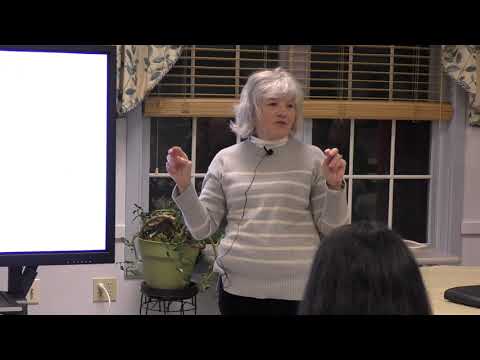
A staff presenter reviewed sales from 2020 through 2024 and said the town's median sale price rose roughly 63% in that period, while naturally affordable sales (those $300,000 and under) fell from about 51% of sales in 2020 to roughly 11% in 2024. "There is no natural affordable housing on the market. It's disappeared," the presenter said.
The town's Housing Opportunity Committee, formed last year, has compiled recommendations for changes to local planning and zoning. Committee member Peggy Goffin described the local planning history: Marlborough adopted a sustainable housing plan in June 2022, the planning commission made it an appendix to the Plan of Conservation and Development in June 2023, and the Board of Selectmen formed the Housing Opportunity Committee in June 2024 to carry forward implementation.
Key proposed zoning changes that will be discussed at a planned public hearing in March include:
- Reducing minimum lot sizes in sewered areas (presenters described moving from 1.25‑acre and larger lots toward half‑acre or smaller lots where public sewer exists, and noted the possibility of allowing lots as small as 7,500 sq ft while remaining compliant with public health rules). - Reducing frontage and setback requirements (examples: frontage from 175 ft to 125 ft; front setbacks from larger distances down to 40 ft/50 ft adjustments explained in the presentation). - Allowing duplexes where single‑family homes are currently permitted, to broaden housing types. - Increasing inclusionary zoning set‑asides from 10% to 15% for multiple‑unit developments within the village center and for general subdivisions of more than five lots.
Presenters emphasized the proposal aims to "create opportunity" rather than change the town's character: "You're not going to change the face of Marlborough; you're 35% open space and it's going to stay that way," the presenter said.
During public Q&A, residents asked how deed restrictions and private covenants affect ADUs and smaller houses; presenters replied these are private legal restrictions that can block projects even when zoning approvals are granted, and noted ongoing litigation in one case where a deed restriction was being challenged. A realtor in the audience, Kar Mahowski, said younger buyers can no longer compete in the current market, calling homeownership increasingly a "privilege." Christy Moraga asked whether units could be set aside for refugee families; presenters said refugee placement typically involves interfaith coalitions and nonprofits but agreed to consider the need when planning.
Next steps: The zoning commission will hold a public hearing in March (exact date to be posted on the town website) and will publish the proposed regulations and a tracked‑changes draft online. No formal vote was taken at the forum; the presentation was informational and intended to solicit community feedback ahead of the hearing.
Sources and provenance: This article draws on the local presentation and question‑and‑answer period (topic intro: SEG 367; topic finish: SEG 1725).