Get Full Government Meeting Transcripts, Videos, & Alerts Forever!
Get email alerts on the Parks And Recreation topic
No spam. Unsubscribe anytime.
East Lyme reviews youth baseball field use, exemptions after residents raise questions about travel-team partnerships
Summary
Selectmen and Parks & Rec heard presentations and public comment about how town fields are allocated, how fee exemptions apply to nonprofit community leagues versus for‑profit travel programs, and agreed to clarify reservation rules after contrasting data analyses and public concerns.
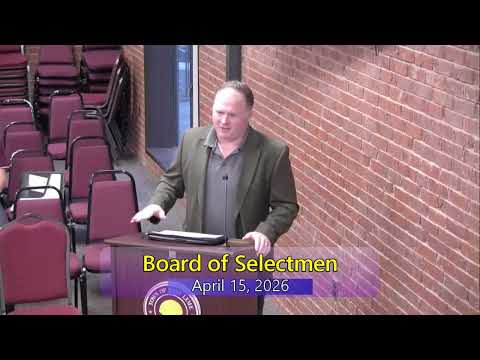
At its April 15 meeting, the East Lyme Board of Selectmen and Parks & Recreation staff spent the bulk of the evening reviewing how the town’s athletic fields are scheduled and used, amid questions about whether travel programs operating alongside nonprofit leagues are receiving preferential access or financial benefit.
The board invited attorney Robert Day to present a forensic summary of the field‑reservation database for 2023–2025 and to attach a notional dollar value to reserved hours. “I analyzed records of field rental for the years 2023, 2024, and 2025 and focused on certain users of the field,” Day said, describing a spreadsheet that grouped reservations by organizer (Babe Ruth, Shell Shockers, East Lyme Little League and others) to show hours used and approximate fee value.
Parks & Recreation Director Jerry Lock told the board the department prioritizes schools first, town recreational leagues second and other users afterward, and he described operational steps staff take when issuing permits: requiring insurance, collecting reservations via office software, and distinguishing organized from casual use through indicators such as published schedules, rosters and game officials. “These fields exist for — we encourage the use,” Lock said, adding that permanent improvements made by leagues (scoreboards, restrooms) become town property and do not confer exclusive-use rights.
The meeting attracted multiple representatives from the Connecticut Shell Shockers travel program and from Babe Ruth. Eric Parker, speaking for Shell Shockers, described a working arrangement in which some players are rostered on Babe Ruth charters (and covered by Babe Ruth’s insurance), while others participate in the paid travel program that funds indoor training and coaching. “We’re filling out their rosters,” Parker said, arguing that the partnership helps sustain Babe Ruth teams at the older age groups that otherwise would lack enough players.
Steve Litra, who identified himself as East Lyme Babe Ruth president, confirmed Babe Ruth’s nonprofit charter status and described how the organization rostering works for older divisions. Anna Stansky, district commissioner for Babe Ruth District 3, explained that when players are rostered to Babe Ruth charters they are covered by Babe Ruth insurance and qualify as Babe Ruth players for All‑Star purposes.
Several residents and Parks & Rec commissioners urged clearer written agreements and transparent rules. Dr. Benjamin Armstrong, who serves on both Parks & Rec and the Little League, and Rob Tuki, Parks & Rec commission chair, said the sports landscape has changed in recent years — with travel teams, year‑round play and overlapping seasons — and that town policy needs to reflect that complexity.
Officials acknowledged differences in data extracts: Day’s analysis and the Parks & Rec director’s separate counts were largely consistent for some users but diverged for East Lyme Little League totals, suggesting the need to reconcile source spreadsheets and establish consistent data pulls before making revenue or compliance conclusions.
As immediate next steps, Parks & Rec said it is implementing a checklist to help volunteer leagues comply with reservation and insurance requirements, drafting a rubric to make fee modifications more transparent, and will consider clearer definitions of which organizations are exempt from facility fees. The board asked staff to include in the record a letter from Todd Donovan (unable to attend) and to revisit the topic after the commission and stakeholders review the figures and proposed policy clarifications.
Separately, the board approved notices for a May 6 special town meeting to consider a $14,000 opioid settlement appropriation for a proposed bicycle unit and a $79,968 appropriation from a FY2026 NSEF grant for emergency management equipment, and set the annual town meeting for May 11 with a budget referendum on May 21. A single consent-calendar item (an overpayment amount read in the record as “$9,37467”) was approved by voice vote.
The selectmen took no formal vote on changes to field policy at the meeting; rather, they asked Parks & Rec to refine definitions, reconcile the data, and return with proposals for clearer fee guidance and documentation requirements for third-party improvements. The chair said staff would file Donovan’s letter with the clerk so it becomes part of the official record.