Get Full Government Meeting Transcripts, Videos, & Alerts Forever!
Get email alerts on the Sewer Rates topic
No spam. Unsubscribe anytime.
East Goshen adopts sewer rate increase to shore up sewer fund; average quarterly bill rises by roughly $30
Summary
The board approved a combined fixed-and-variable sewer rate change expected to average about a $30 quarterly increase for a typical single-family household, to support future relining and capital needs and to stabilize sewer fund balances through 2030.
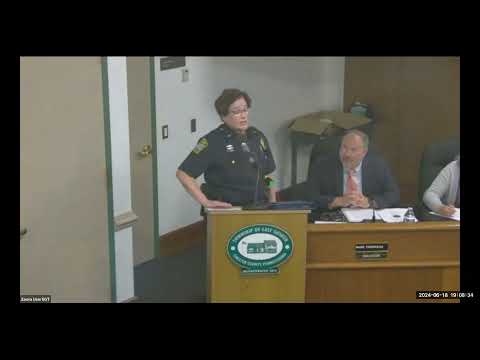
The East Goshen Board of Supervisors voted June 18 to increase sewer rates in a structure that pairs a fixed quarterly charge increase with a variable usage charge, estimating an average rise of around $30 per quarter for a typical single-family household.
Treasurer Dave presented the analysis and said the plan increases the fixed quarterly charge by approximately $5 (from about $55.61 to $60.61) and raises the variable rate by about $2.30 (from about $9.70 to $12.00), producing an average quarterly single-family bill increase from roughly $176.86 to $210.61. "We're aiming for an average $30 per quarter increase across all residents on public sewer," Dave said.
Staff framed the fixed-plus-variable approach as an effort to limit disproportionate impacts on low-usage households and apartments; under the new structure, customers who use less water would see smaller increases. Officials said the revenue would fund a 10-year maintenance plan, including relining work that staff estimate will be needed by 2030 to avoid larger multi‑million‑dollar repairs.
The board discussed the projected effect on sewer fund balances, the assumed construction-index inflation rate used in projections, and potential grant opportunities to offset capital costs. After questions from supervisors, the board approved the rate change by voice vote and directed staff to notify residents via billing statements and the township newsletter.
Town staff said the increase is designed to keep the sewer fund solvent through projected capital needs; they also cautioned that catastrophic infrastructure failures could alter projections and require additional action.