Get Full Government Meeting Transcripts, Videos, & Alerts Forever!
Get email alerts on the Pilot Program topic
No spam. Unsubscribe anytime.
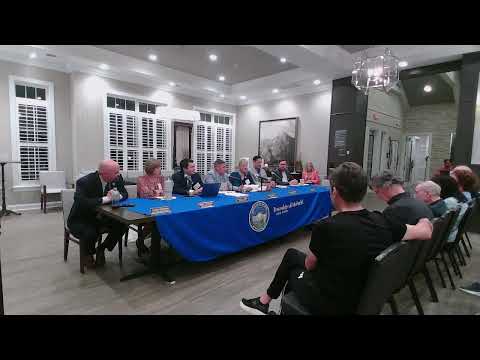
Residents and officials defend and debate 'Regency' pilot tax program at public meeting
Summary
A lengthy public exchange at the Sept. 16 Homedell meeting featured residents and committee members debating the fiscal effects of the Regency pilot program and Bell Works redevelopment; speakers cited differing figures for revenues and school impacts.
A lengthy public discussion during the Homedell Township Committee’s Sept. 16 meeting focused on the Regency pilot tax program and the redevelopment known as Bell Works, with residents and committee members offering competing figures and interpretations of the program’s net benefit.
Resident Bill Roser said the Regency pilot "contributed about $3,600,000 to the township" and argued the arrangement is a net benefit because the 55‑plus Regency units do not produce schoolchildren, which reduces school spending demands. Roser said that without the pilot the township would receive less revenue.
Committee members and staff responded with additional figures and policy context. One committee member said pilot payments historically helped keep the township tax rate lower and that redevelopment added full‑tax residential units that also now contribute revenue. A finance committee member clarified the distribution: "for every dollar that is contributed to the pilot program 5% goes to the county, 95% goes to the township" and noted that of the dollars received by the township, 88% is the township’s retained proportion (figures stated at the meeting).
Officials emphasized the pilot’s role in enabling redevelopment, saying that without the program Bell Works and the Regency may not have been viable. A committee member observed that redevelopment generated both commercial and new residential tax base.
Speakers acknowledged different ways to measure net fiscal impact (gross receipts vs. net impact after school costs) and said prior committee deliberations considered those tradeoffs at length. No formal vote or policy change on the pilot program was taken at the meeting; the discussion occurred during the public‑comment period.