Get Full Government Meeting Transcripts, Videos, & Alerts Forever!
Get email alerts on the Wireless Permit topic
No spam. Unsubscribe anytime.
T‑Mobile seeks rooftop permit in Warwick; company says upgrades will be concealed and within FCC rules
Summary
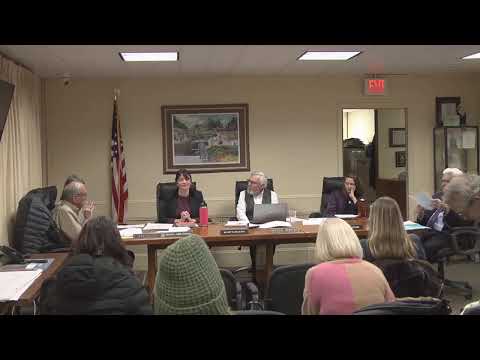
T‑Mobile's attorney presented a special‑use permit renewal for antennas at St. Anthony Community Hospital, describing equipment upgrades tied to N2500/5G technology and requesting waivers; the board agreed to declare lead agency and set a public hearing while members asked for clearer explanations about RF health for residents.
Attorney David Kenny, representing T‑Mobile, presented the company's special‑use permit application for an existing rooftop wireless facility at St. Anthony Community Hospital and described a technology upgrade that replaces four antennas, adds one and increases remote radio units behind existing screen walls. "T‑Mobile's equipment's fully concealed within screen walls," Kenny said, arguing the visual effect to the public would be minimal.
Kenny said the upgrade includes N2500 antennas associated with higher‑capacity (5G) service and replacements of ancillary remote radio units. He said the applicant filed coverage maps and technical data and sought waivers including a visual EAF addendum and, in some cases, deferring performance security and indemnification requirements to conditions of approval because the prior permit had expired.
Board response and next steps: The trustees were advised they could declare the village lead agency for environmental review and set a public hearing; the board moved to declare lead agency and set the hearing for a future meeting. Isabelle Hayes (staff) noted two waiver requests — for performance security and contractor identification — and asked for additional documentation before the public hearing.
Health questions and federal preemption: Several trustees and members of the public raised RF health and safety questions. Kenny said the site would operate within FCC limits and that the company can provide an FCC compliance report and coverage/visibility maps for public presentation, but advised caution: "...the board cannot deny based on that question" because health‑based denials of facilities are preempted by federal law, he said. Trustees asked the applicant to bring clear, plain‑language explanations and visuals to the public hearing to help residents understand what to expect.
What to watch for: The board asked the applicant to provide more detail on waiver requests and structural changes to the screen walls (some bolt and hardware upgrades were noted in the plans) and to supply visuals for the public hearing. The board also discussed the village's right to inspect and require upkeep of screen walls if they deteriorate over time.
Public engagement: Trustees noted that the public will likely raise RF concerns at the hearing and encouraged the applicant to bring materials and, if possible, experts who can explain risk and compliance in accessible terms. No final permit decision was made at the Jan. 20 meeting; the public hearing will be scheduled as a next step.