Get Full Government Meeting Transcripts, Videos, & Alerts Forever!
Get email alerts on the Policy Revision topic
No spam. Unsubscribe anytime.
Board adopts revised Series 3000 business/non‑instructional policies after detailed debate over object‑code groupings and state regulations
Summary
After extended discussion about budget object-code categories, procurement language, and how much state regulation text to replicate, the Board approved revised Series 3000 policies (business/non‑instructional operations). Members asked staff to ensure the policies align with state requirements and provide clear implementation guidance.
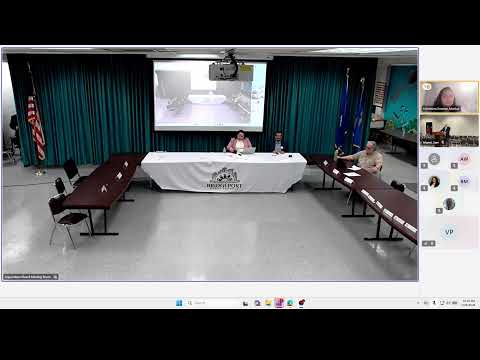
The Bridgeport Board of Education voted May 25 to adopt revisions to Policy Series 3000 (business and non‑instructional operations) after an extended review of technical changes, financial object‑code groupings and state‑mandated regulations.
Finance and operations staff explained proposed clarifications that align the district’s budgetary sectional object‑code categories with city accounting practice, generally preserving five categories (personnel services, other personnel services, fringe benefits, operating expenses, and special services). CFO and finance staff emphasized that maintaining distinct categories helps prevent unintended permanent transfers between salary lines and overtime.
“We recommend sticking to those five categories,” the CFO said, arguing that separating salaries and overtime is an internal control that prevents budgetary erosion over time. Board members pressed for clarity about transfers between categories and asked staff to ensure the policy will not inadvertently allow reclassification that increases recurring budget liabilities.
Several state‑required policies and accompanying regulations (including food service, pest management and green cleaning) were discussed. Members and counsel debated whether to adopt the state regulation language verbatim, reference state regulations from the policy, or tailor district regulations for local practice. Legal counsel and staff advised the board that state regulations remain binding; the board voted to adopt the policies and asked staff to reconcile any regulatory language with state requirements and return with any final adjustments.
Other amendments approved in the session included updates to inventory/stock‑card language, gender‑neutral wording, confidentiality language for certain safety reports, and consolidation of procurement clarifications. The board recorded several technical amendments on the record and adopted the revised policies.
Staff will finalize the regulations and confirm with the State Department of Education or city attorney (as appropriate) that local regulatory language conforms with state requirements. The superintendent and CFO will implement the revised accounting groupings and report back to the board on operational effects and any recommended procedural safeguards.