Get Full Government Meeting Transcripts, Videos, & Alerts Forever!
Get email alerts on the Ftd Diagnostic Guidance topic
No spam. Unsubscribe anytime.
Q&A: Experts at NADRC webinar urge persistence and specialist referrals to resolve FTD misdiagnoses
Summary
In the webinar question-and-answer session, presenters advised families to document symptoms, seek serial evaluations and specialist referrals, and use imaging, neuropsychological testing and spinal taps as appropriate while noting that Alzheimer's blood tests exist but do not replace comprehensive assessment for FTD.
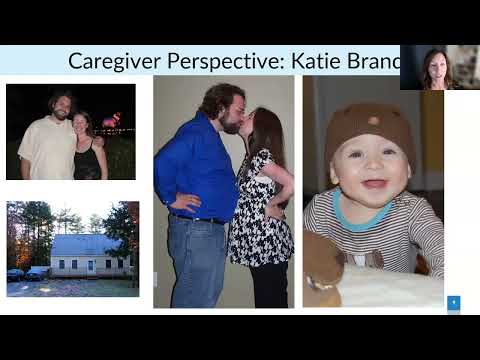
During the webinar's question-and-answer period, attendees asked how to move past repeated or conflicting diagnoses. Katie Brandt and caregiver Marilyn Decalo responded with practical guidance rooted in clinical practice and lived experience.
"Sometimes the way you get [an accurate diagnosis] is you get diagnosed with something that's not the right thing, and as your clinicians follow you over time, they say, 'Huh, this diagnosis isn't progressing the way we thought it should,'" Brandt said, urging families to document symptoms, seek referrals and treat clinicians as partners in a diagnostic process that can take time.
Marilyn described her husband's stepwise evaluations: initial MRI and neuropsychological testing were inconclusive or led to differing diagnoses; a spinal tap helped to rule out Alzheimer's, and a movement-disorder specialist later diagnosed progressive supranuclear palsy. "The spinal tap he did have was to rule out something ... wasn't to rule it in," she said, characterizing the testing sequence families may encounter.
Presenters listed common diagnostic tools available today: office cognitive testing, brain imaging (MRI), neuropsychological assessments, spinal fluid testing and specialist evaluations. Brandt acknowledged the availability of FDA‑approved blood tests for Alzheimer's disease but cautioned that those tools "have a long way to go" and do not eliminate the need for comprehensive clinical assessment when FTD is suspected.
Both presenters urged family members and clinicians to keep asking for referrals, document changes over time, and connect local providers (speech therapy, occupational therapy, primary care) with specialists so caregivers' day‑to‑day observations inform diagnostic decisions.
The webinar host reminded attendees that slides and the recording will be shared with participants and provided contact information (NADRC-Webinars@rti.org) for additional questions.