Get Full Government Meeting Transcripts, Videos, & Alerts Forever!
Get email alerts on the Class Size Staffing topic
No spam. Unsubscribe anytime.
Aitkin board debates class sizes and staffing as enrollment edges up
Summary
Trustees discussed growing elementary enrollment, large third-grade cohorts and whether to add a fourth section to support student learning. Board members weighed the educational benefits against a roughly $80,000-per-position budget impact and broader funding uncertainty.
The Aitkin Public School District board debated whether to expand certain elementary grade levels to four sections to reduce large classroom sizes and support academic outcomes.
Administrators reported 45 kindergarten students currently signed and projected 63–67 students once late registrations are counted. Trustees said the current third-grade cohort has been taught in three sections with 27–28 students per class and expressed concern that students who are 'partially meets' on state assessments could benefit from smaller classes.
Several trustees argued that investing fund balance now to add a section would reduce downstream costs associated with remediation, while others cautioned about budget volatility driven by potential state changes to compensatory and special-education funding. A board member summarized the trade-off by saying the district must balance "what's best for the kids" against fiscal prudence.
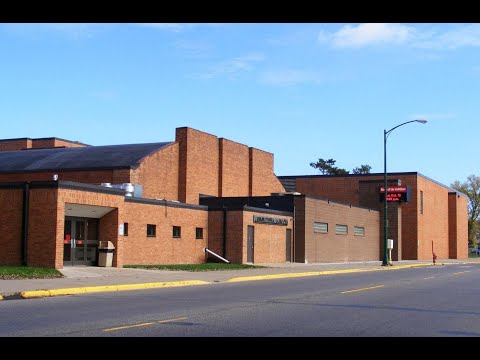
Staff flagged one practical constraint: classroom space at Rippleside is limited. Options under discussion included converting a flex/multi-purpose room to classroom space, moving some special-education or title services into shared spaces, hiring a floating teacher who could be assigned to the grade needing capacity in a given year, or shifting sixth grade to the high school to create additional elementary space.
Trustees asked administration for budget-impact scenarios, including one-off and multi-year hiring costs; a staff estimate cited roughly $80,000 per full-time position including benefits as a planning figure. The board requested a follow-up report with specific budget numbers and potential staffing configurations in time for June committee and board meetings.
The board did not adopt a final staffing or section plan at the meeting; members directed staff to return cost estimates and enrollment projections so the board could decide whether to add a section before the start of the next school year.