Get Full Government Meeting Transcripts, Videos, & Alerts Forever!
Get email alerts on the Capital Plan Reserves topic
No spam. Unsubscribe anytime.
Council examines five‑year capital plan, flags reserve shortfalls and schedules workshops
Summary
Town council and staff reviewed the five‑year component of a longer capital plan, noting the plan is maintenance‑focused, expressing concern about shrinking reserve funding, and setting finance‑committee and department workshops to scrutinize year‑one appropriations and department requests.
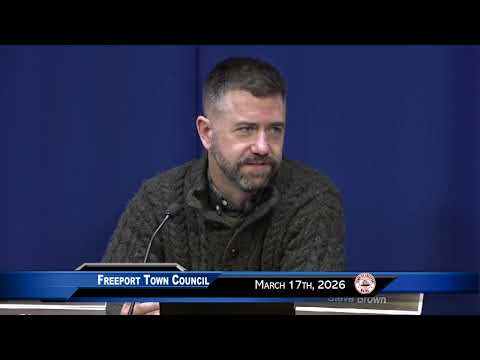
The town council and staff reviewed the five‑year component of a longer capital plan during a budget workshop, with staff describing the material as a maintenance‑focused snapshot of a broader 20‑year plan and council members pressing for more clarity on reserve funding and out‑year cost estimates.
“Um, this is actually behind the scenes a 20‑year plan, and so what you have before you is the the streamlined five‑year component,” Jessica said, explaining that the workshop was intended to inform the council about the plan rather than to appropriate year‑one funding immediately. Jessica asked the council how they preferred to review the plan—through department‑head sessions or a higher‑level review—offering to schedule department presentations and to coordinate with the finance committee.
Council members said they value the department‑head walk‑throughs used in prior years because those sessions surface why items move up or down the list and provide narratives for residents. One council member pressed on out‑year pricing methodology, noting the risk of an ad‑hoc approach. “I don't think there's a perfect way to do it, but I am concerned about the long‑term sustainability of our capital plan,” the council member said, warning that variable pricing could create funding gaps in later years.
Staff acknowledged the concern and outlined current practice: department items are tracked in a longer spreadsheet, future replacements are listed as placeholders and reviewed as they approach the five‑year window, and useful life is based on depreciation benchmarks adjusted for observed wear. Jessica added that some pricing changes are handled case‑by‑case today rather than by a strict formula and said staff can research more systematic approaches.
Jessica also raised the town’s shifting revenue picture: longstanding funding sources that supported reserves have been reduced, increasing pressure on operational savings and other variable revenues to backfill reserves. “This format has worked since 1980,” she said, while also noting that recent years have required new approaches; she cited a year when higher‑than‑expected state revenue sharing allowed nearly $1 million to be placed into reserves.
Public‑works staff described how new capital ideas are vetted before being put on the plan. Earl said he attends national public‑works gatherings to monitor evolving technologies, citing examples such as reflective road striping and a temporary 'snow dragon' melting device, and said the town watches peer communities before adopting high‑cost innovations.
As a next step, council and staff set a schedule for deeper review: a finance committee meeting on Monday the 23rd at 5 p.m., a Winslow Park workshop on Tuesday the 24th with Nate and Earl present, and a follow‑up session on April 7 for remaining department heads. Staff proposed the finance committee focus on big‑picture items such as fund balance and how the capital program is funded, while department‑head sessions would allow targeted questions about specific capital requests.
The workshop concluded with staff reiterating expectations for department presentations—show the need, provide narratives, and prioritize within a constrained dollar set—and with a commitment to return to the council with more detailed analysis of reserves and possible methodologies for out‑year pricing.