Get Full Government Meeting Transcripts, Videos, & Alerts Forever!
Get email alerts on the State Legislation topic
No spam. Unsubscribe anytime.
State representatives brief Oyster River board on vouchers, open enrollment and unfunded mandates
Summary
Two state representatives told the board that recent and pending legislation is increasing costs and compliance burdens for local districts, citing vouchers (education freedom accounts), changing curriculum mandates and ongoing open-enrollment debates.
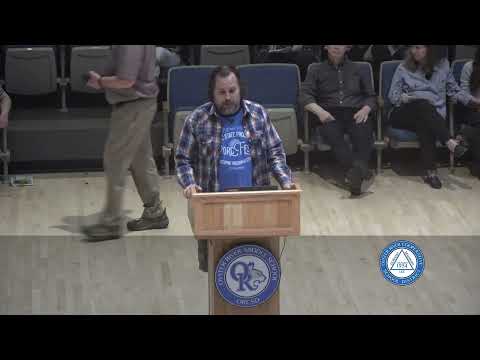
State Representatives Lauren Celig and Wayne Burton addressed the Oyster River board to summarize recent education legislation and its fiscal and administrative effects on local districts.
Celig, a member of the House Education Policy Committee, said lawmakers have passed numerous bills in the current session that affect curriculum, open enrollment and funding, often without state dollars to cover new costs. She described a contentious environment in which reading and curriculum mandates, revised open-enrollment proposals, and parental-rights bills have required districts to buy new curricula and increase reporting and compliance work.
"When curriculum mandates change, districts often must buy new materials and provide staff training — and the state typically does not provide funding for those costs," Celig said in the presentation.
Rep. Wayne Burton, a long-serving member of legislative funding committees, highlighted historic underfunding. He said the state currently pays about $4,100 per student while the local cost per student cited at the meeting was around $23,000 to $24,000, creating a persistent local funding burden.
Both representatives warned that open-enrollment proposals and education freedom account expansions (vouchers) create fiscal and operational pressures: vouchers divert public dollars to private uses in some cases and open-enrollment changes can shift student placements without proportional funding.
Board members asked the reps to continue monitoring the committee-of-conference process on key bills and to share analysis; both representatives said they would continue briefing the district as bills move through the final steps of the legislative session.
What happens next: the board will track outcomes of the committee of conference and related bills and will consider whether the district needs to model fiscal impacts of proposed changes or to lobby formally on specific measures.