Get Full Government Meeting Transcripts, Videos, & Alerts Forever!
Get email alerts on the Equity In Licensing topic
No spam. Unsubscribe anytime.
Breckenridge licensing authority hears equity‑lens presentation on how to judge license applications
Summary
Flora Cruz of the town communications office presented an equity‑lens tool to the Liquor and Marijuana Licensing Authority on March 17, demonstrating how identical treatments (like handing out the same t‑shirt) can yield unequal outcomes and urging the body to consider accessibility when reviewing applications from first‑time or limited‑English applicants.
Flora Cruz, who identified herself as a member of the town communications department and of the Social Equity Advisory Commission, presented an equity‑lens tool to the Breckenridge Liquor and Marijuana Licensing Authority during its March 17 meeting.
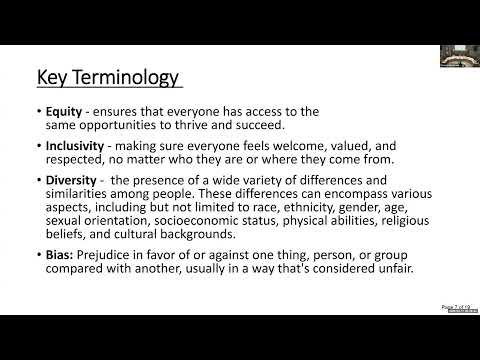
"My name is Flora Cruz ... with the town's communications department and also help with the social equity advisory commission," Cruz said as she opened a discussion meant to help the authority examine how decisions affect different community members. Cruz ran the authority through definitions of equity, inclusivity and diversity and used a hands‑on t‑shirt exercise to show how identical treatment can produce unequal results. "Equity is everyone getting a shirt that fits," she said, urging the group to consider differing needs when approving licenses.
Cruz walked members through a hypothetical: a first‑time restaurant applicant whose paperwork appeared incomplete and whose first language might not be English. She and attendees identified common barriers — complex legal language in forms, lack of legal counsel for small owners, and the time and effort required to refile incomplete applications. Cruz argued that, while the authority’s legal obligations are constrained by state law, the equity‑lens tool can help officials spot where applicants face access barriers and suggest practical accommodations or referrals.
Town staff described current notice and outreach practices for liquor licenses: posting required notices at Town Hall, publishing them on the town calendar and liquor‑page, and sending e‑notifications; meetings are streamed to YouTube and may be joined by Zoom, though staff said the authority does not accept public comments via Zoom. Cruz and several participants suggested the authority could do more to identify resources for applicants, such as local business‑assistance organizations and interpretation services, when an application is incomplete rather than only delaying action until the next meeting.
The authority did not take formal action on the equity‑lens tool; the presentation concluded and business moved to the consent calendar. Chair Conway and other members described the approach as a useful reminder to consider access and barriers within the limits of their legal role.
The meeting moved on to routine business and adjourned at 9:44 a.m.