Get Full Government Meeting Transcripts, Videos, & Alerts Forever!
Get email alerts on the Solar Overlay topic
No spam. Unsubscribe anytime.
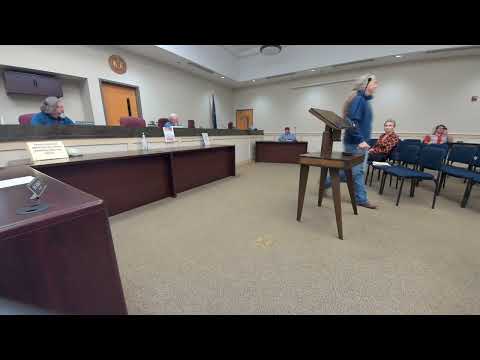
Town leaves solar overlay public hearing open after weeks of comment
Summary
After several weeks of public comment and proposed edits from residents, planners and developers, the Town of Morrow left its public hearing on a proposed solar overlay open and directed staff to revise language on planning‑board review, lead‑agency designation and decommissioning requirements.
The Town of Morrow board left open a public hearing on a proposed local law to establish a solar overlay district, saying staff should revise the draft to reflect public input and planning‑board practice before any final vote.
Residents, landowners and developers used the board’s public‑comment period to press opposing details of the draft. Dominique urged the board to approve the overlay and said the town should “join the 21st century,” arguing that the law should allow property owners to apply for solar projects and be amended as experience grows. Developers and stakeholders urged clearer wording on the role of the planning board and the requirement for special‑use permits.
Chris Martin, a former planning‑board member and property owner, recommended changing language that reads as if the planning board would have final approval, proposing instead that the board receive a preliminary site‑review recommendation. Olivia Felman of Lightar and Dan of US Light Energy said the ordinance generally struck a fair balance but urged clarifications on lead‑agency designation and decommissioning timing. Rachel McDermott and other residents asked that conforming projects not be delayed by additional approvals.
Town staff and counsel (Josh) confirmed several technical edits the board directed: replace “planning board approval” language with a recommendation model, remove an obsolete reference to a special‑use permit, clarify which body will be the environmental review lead agency in each case, and require project‑specific decommissioning plans and timelines. The board agreed that if the changes are substantial the revised draft must be republished and another public hearing scheduled; until that decision, the public hearing will remain open.
Supervisor Fish and several council members said they want a version that reflects comments from the planning board, residents and applicants, then to post the revised text for public comment. Josh was asked to prepare a redlined version that highlights changes for the board to review at the next meeting.
Next steps: staff will prepare the revised draft for the board’s review and decide whether to republish the law for an additional public hearing before final adoption.