Get Full Government Meeting Transcripts, Videos, & Alerts Forever!
Get email alerts on the Transportation topic
No spam. Unsubscribe anytime.
City hears Gore Boulevard signal study: $50,000 coordination could cut delay 25%
Summary
Consultants told the city a low-cost pre-timed coordination of existing traffic signals on Gore Boulevard could reduce corridor delay by roughly 25%; a full actuated, detector-based coordinated system would yield larger gains but cost substantially more (planning-level figures discussed).
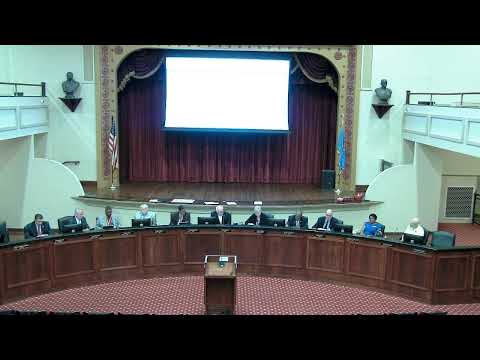
The Lton City Council heard a corridor traffic-signal study March 11 from consultant WSB examining roughly 5.5 miles of Gore Boulevard. The study identified unsafe or suboptimal timing at multiple intersections — insufficient pedestrian crossing time, inadequate clearance intervals and protected left-turn phases that are not warranted — and outlined two implementation tiers.
A pre-timed coordination scenario that uses existing equipment with limited upgrades was estimated at about $50,000 and projected to reduce total corridor delay by approximately 25% during peak and off-peak periods. An actuated, detector-based coordinated system with video or microwave detection and communications would cost substantially more (planning-level scenarios discussed in the $1.3M+ range for corridorwide implementation) and could improve total delay further (consultant estimates showed up to ~38% improvement versus existing conditions if the full corridor is upgraded and detectors added).
WSB engineers (Ariana Berolei and others) recommended starting with corridor-wide coordination (the lower-cost step) and then implementing prioritized intersection upgrades as funding allows. Councilmembers pressed consultants on how partial investments would affect the overall corridor and whether incremental, prioritized upgrades could produce useful gains without adverse impacts to other intersections. WSB’s response emphasized that the coordination step itself produces sizable benefits and that priority intersections should be upgraded after initial coordination to avoid creating bottlenecks.
Staff noted that the project is currently funded in part with LMPO/CMAC funds; roughly $100,000 had been allocated and equipment orders had begun for the initial scenario. Council discussion focused on cost phasing, funding availability and the trade-offs between modest near-term gains and the larger benefits of comprehensive corridor upgrades.
What happens next: Staff expects to proceed with the pre-timed coordination work and pursue phased upgrades when funding is available. Council did not take a separate vote but gave direction consistent with advancing the initial coordination measures.
Representative quote: "With the 50,000 pre-timed coordination, we can improve total delay by about 25% across the corridor," consultant Ariana Berolei said. "If we add detectors and communications across the entire corridor, improvement increases but at substantially higher cost."