Get Full Government Meeting Transcripts, Videos, & Alerts Forever!
Get email alerts on the Public Safety topic
No spam. Unsubscribe anytime.
Board tables draft ordinance to ban driving through floodwaters; asks staff to narrow wording
Summary
Commissioners discussed a draft traffic ordinance to prohibit motorists from operating vehicles in floodwaters that displace water or create a wake, raised concerns about the two‑inch threshold and how officers would assess intent, and asked staff and the town attorney to redraft more specific language before returning it to the board.
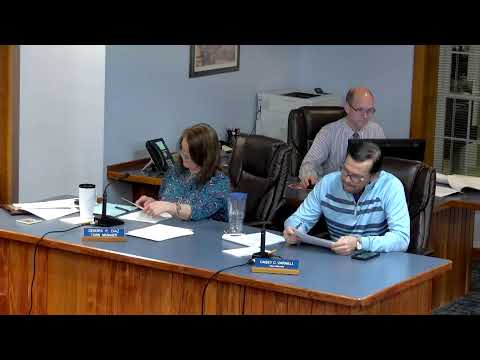
The Kill Devil Hills Board discussed a draft amendment to Chapter 71 (traffic regulations) on Jan. 12 that would make it unlawful to operate a vehicle in flood waters where doing so displaces water or creates a wake that could harm others. Police and staff presented the proposal as a tool to protect public safety after storms and to give officers a civil-citation option.
Police Chief Debbie explained the proposal is limited to town-maintained roads and said the two-inch threshold in the draft is meant to refer to two inches across the paved travel surface (the crown), not higher depths at road edges. Commissioners raised questions about enforcement and how to assess driver intent. One commissioner noted that deliberate, reckless driving that generates a wake is different from a resident trying to access a home and urged language that targets reckless conduct.
"If you do not create the wake then you are fine," a commissioner said in the exchange; Chief Debbie and others said the ordinance is intended to give the police a civil citation tool for intentional or reckless acts that create hazardous spray or damage. Several board members said they supported the goal but wanted staff to define terms such as "travel surface," clarify the measurement point (crest vs. side) and limit the ordinance to reckless or dangerous operation rather than imposing a blanket ban.
The board agreed there is consensus on the intent but asked staff and the town attorney to redraft the ordinance with more specific language and return it at a future meeting rather than take immediate action.
No formal vote to adopt the ordinance was taken; the item was tabled for revision.