Get Full Government Meeting Transcripts, Videos, & Alerts Forever!
Get email alerts on the Sidewalks topic
No spam. Unsubscribe anytime.
Council postpones final vote on 2026 sidewalk special assessment after public hearing
Summary
After a public hearing on the 2026 sidewalk special assessment — where residents raised cost and equity concerns — the Caro City Council voted to postpone action to the next meeting so staff can answer questions about contingencies, ADA thresholds and individual property impacts.
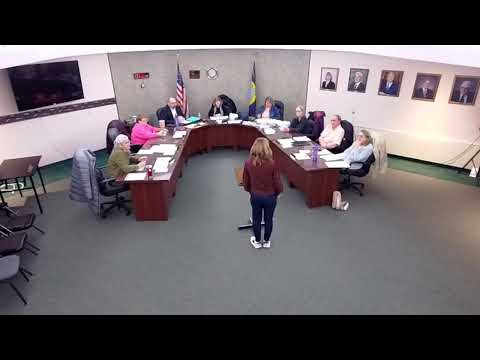
The Caro City Council on April 7 closed a public hearing on the 2026 sidewalk special assessment but postponed final action until its next meeting, after residents and councilors pressed staff for more details about costs and how assessments would be applied.
City Manager explained the project has been through public hearings, noted one parcel on West Washington was adjusted from replacement to grinding where feasible, and said the city uses a standard defect threshold — a quarter‑inch — to determine when grinding is unsafe and full replacement is needed. “A quarter‑inch is considered a danger that we have to address,” the manager said, noting that the standard is intended to protect walkers and mobility‑aid users.
During public comment, resident Sharon Slow described multiple damaged squares outside her home and questioned why corner homeowners can face multiple assessments. “We never knew that if you were on a corner you had to pay for your sidewalks,” she said, urging council to consider staggering projects to ease homeowner burdens.
Mr. Carpenter, a city staff member handling project details, said a contingency line is typically included in contractor estimates to cover unexpected additional squares removed during work. He said a 20% contingency was presented here because project‑level variability can produce larger percentage increases on small jobs, though historically the city has used about 10% of that contingency.
Council members asked for clearer cost breakdowns and how contingency money is applied per property. One councilor said the city should ensure any change orders that alter price come back to council for approval. A motion to postpone action on the assessment roll until the next meeting carried on a roll call vote, giving staff time to provide updated financial details and to address public concerns.
Next steps: staff will provide a more detailed accounting of estimated homeowner costs, contingency use and specific property treatments before the council takes a final vote.