Get Full Government Meeting Transcripts, Videos, & Alerts Forever!
Get email alerts on the Public Safety topic
No spam. Unsubscribe anytime.
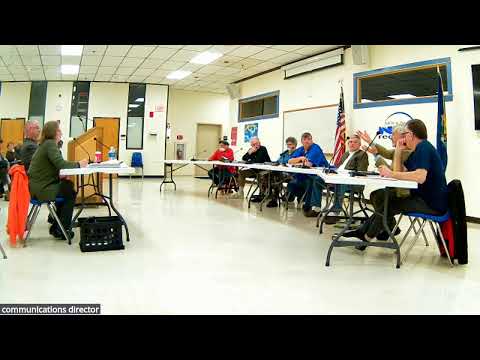
Lincoln council adopts $75 non-transport EMS fee after debate, forms ad hoc fee committee
Summary
After extended debate about repeat non-transport EMS calls and program abuse, the council amended and adopted a $75 fee for non-transport EMS calls in excess of three non-transports per quarter and created an ad hoc fire/EMS committee to study service fees and agreements.
After a lengthy public and council discussion about frequent calls that result in EMS not transporting patients, the Lincoln Town Council amended and approved a fee policy and established a review committee.
Debate focused on frequency of repeat non-transport calls, the operational impact on emergency personnel, alternatives for non-emergency transport (including regional services such as Penquis), and administrative tracking and billing. Councilors and the fire chief described recurring calls for lift assists and non-transport visits as an operational strain that can reduce availability for emergency responses.
The council amended the original motion and approved a policy to charge $75 for each non-transport EMS call for Lincoln residents in excess of three non-transports per quarter. The council also authorized staff to bill and collect those fees using existing billing procedures used for lift assists.
Following the fee vote, the council approved creation of an ad hoc fire/EMS committee to study fee structures and future service agreements with neighboring towns. The committee will include two councilors, three public members, and have the town manager and fire chief serve as ex officio members; the council set a target of forming the committee within 30 days so that it can report back during the budget process.
Council voted on the amended fee motion and on the committee formation; both actions were recorded as approved in the meeting minutes. The motion language and administrative implementation were described in the meeting as subject to further refinement by staff and the newly formed committee.