Get Full Government Meeting Transcripts, Videos, & Alerts Forever!
Get email alerts on the Land Use topic
No spam. Unsubscribe anytime.
State ombudsman trains Hideout council on legislative vs. administrative land-use decisions
Summary
The state property-rights ombudsman told Hideout officials that courts grant wide discretion for legislative land-use choices but require substantial evidence for administrative denials; the session used Utah case law to show how councils and planning commissions should weigh facts versus public preference.
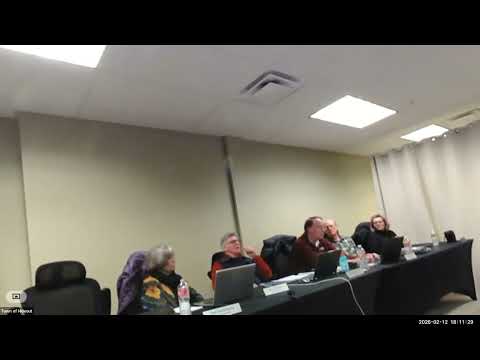
Jordan, the state property-rights ombudsman, gave the council a detailed land-use presentation and Q&A on Feb. 12, emphasizing the legal difference between legislative policy decisions and administrative, evidence-based decisions.
"An ombudsman ... helps to kind of resolve disputes between citizens and the government," Jordan said as he opened a training that covered general plans, zoning, and the varying standards of judicial review.
Why it matters: Jordan explained that legislative actions (such as general-plan adoption or zone changes) are judged by courts as policy choices and receive deference provided they're not illegal and are reasonably debatable. By contrast, administrative decisions (site plans, conditional-use permits, and subdivision approvals) require substantial evidence in the record to support factual findings.
He illustrated both tests with two Utah cases: Harmons' application in Draper (where the court upheld a legislative denial) and Wadsworth in West Jordan (where the court overturned an administrative denial that rested mainly on neighbors' opinions rather than factual evidence).
"If it doesn't plainly restrict the application ... the land use authority must interpret and apply the rules to favor the proposed land use application," Jordan told the council, summarizing the point that ambiguity in code favors applicants at the administrative stage.
Council members asked about the recent state legislative proposals to create statewide review entities and the prospect of preemption. Jordan acknowledged that the balance of power between state and local governments has been shifting in housing-related legislation and suggested that the council remain attentive to legislative changes while maximizing local clarity and documentation to withstand review.
What happens next: Jordan offered to share slides and resources and reminded the council that his office provides advisory opinions and training grants. Several members asked for follow-up materials and for his office's contact information.