Get Full Government Meeting Transcripts, Videos, & Alerts Forever!
Get email alerts on the Teacher Compensation topic
No spam. Unsubscribe anytime.
Moscow School District bargaining team moves draft salary matrix into the negotiation packet; final pay-and-benefits choices tabled
Summary
Bargaining participants reviewed a four‑page salary matrix and voted to include it in the negotiation packet. The group debated insurance premium increases, options for steps-and-lanes movement, one‑time stipends, and modest base increases, but tabled final agreement to allow the association and board to consult members and review fiscal impacts.
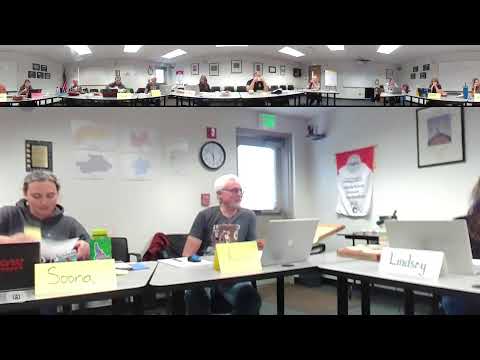
Moscow — Bargaining representatives and district leaders on May 26 reviewed a proposed four‑page salary matrix and agreed to move that draft into the formal negotiation packet, while postponing final decisions on pay and benefits until member and board consultation.
A presenter described the matrix as illustrative, showing residency/initial/professional/advanced lanes with a 4.6% step‑and‑lane progression and language noting the document was not the official schedule. "I started with the residency placement ... then the professional and then the advanced professional," the presenter said while describing the draft matrix. Board members expressed general support and the group approved placing the design into the bargaining packet to be negotiated further.
The meeting then focused on Issue 10: salary and benefits. A speaker identified in the transcript as Marsha read excerpts from a 2026 MEA survey that the bargaining association submitted, which included personal anecdotes: "Many MSD staff members struggled to meet basic expenses such as housing, utilities, and groceries with their current salary," one excerpt read. Other excerpts noted teachers taking second jobs and difficulty affording child care.
Participants worked to identify shared bargaining interests: retaining quality teachers, maintaining competitive compensation relative to local costs, acknowledging instructional staff, and balancing fiscal responsibility to taxpayers. "We have an interest in retaining quality teachers," a board member said; others emphasized both competitiveness and budget prudence.
Discussion turned to concrete cost scenarios. Staff and board members outlined projections for insurance premium increases and state revenue offsets. Presenters cited a plausible 15% insurance premium increase for the district plan (with other vendors in the 17–20% range) and noted two state actions that together could increase district state revenue by about $531,000. Staff provided an example calculation showing that allowing all eligible staff to move on steps and lanes and covering a 10% insurance increase could raise district costs into the mid‑hundreds of thousands; one summary projection showed the district cost of the combination at roughly $670,000 and an estimated budget gap of about $139,000 under that scenario.
Staff also explained an accounting adjustment tied to a new standard requiring recognition of compensated absences (the transcript reference "Gazsby 101" was clarified as the applicable GASB accounting standard). That implementation restated the previously reported ending fund balance downward by a noted amount, affecting the district's unrestricted fund balance calculations.
Board policy was a recurring constraint in the discussion. Members noted the board maintains an unrestricted fund‑balance target of roughly 17% of expenses; raising the calculating base without new revenue could push the ratio below that threshold and require the superintendent to propose cuts or revenue increases to restore compliance.
To reconcile competing priorities, participants proposed several options: combinations of a 10% district contribution increase to benefits (timing tied to the insurance plan year), movement on steps and lanes, and variations that included a one‑time 1% stipend paid in December/January or modest increases to the calculating base (proposals ranged from 0.5% targeted raises up to 1.5% across the base). One alternative would target lower‑paid staff only (a 0.5% increase for employees earning less than $60,000) to prioritize newer teachers and reduce budget impact.
Speakers discussed timing and tax implications for lump‑sum stipends versus annualized increases. "A one‑time payment will be taxed through withholding like any other payment but would be paid in a lump sum," a finance staff member explained. The caucus broke for a short recess and later for dinner to allow members to consult with constituencies.
After extended discussion, participants acknowledged a standstill on whether to adopt a one‑time stipend or to raise the calculating base broadly. They agreed to take proposals back to their membership and to reconvene on June 4 at the city library for further bargaining, leaving substantive decisions for subsequent meetings. The meeting adjourned early.
What happens next: bargaining members will consult their constituencies and the board will review budget implications and the fund‑balance policy before negotiating final terms at a follow‑up session.
Sources: public bargaining session transcript of Moscow School District, May 26, 2026 (readings and math estimates given by district finance staff and bargaining participants).