Get Full Government Meeting Transcripts, Videos, & Alerts Forever!
Get email alerts on the Class Size Policy topic
No spam. Unsubscribe anytime.
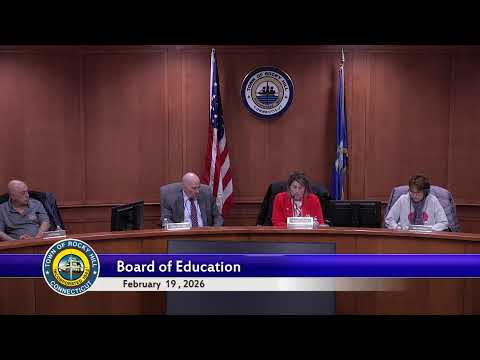
Rocky Hill board weighs lowering elementary class‑size guidelines; staff say phased change would add teachers and increase budget by roughly 0.4 percentage‑pts
Summary
Board heard a detailed budget analysis of proposed class‑size guideline reductions (K–1: 20→18, grades 2–3: 22→20, grades 4–5: 25→23). Administration recommended phasing changes; adding two teachers next year was estimated to increase the operating budget from 8.85% to about 9.26% (≈$226,000).
Superintendent and finance staff presented a staffing and budget analysis requested by the policy committee that models the fiscal impact of lowering elementary class‑size guidelines.
Dr. Zitto summarized the current draft operating budget increase (8.85%) and presented updated projections showing the effect of tighter class‑size guidelines. Under the proposed guidelines (K–1 to 18; grades 2–3 to 20; grades 4–5 to 23), the district would need additional sections and teachers. Dr. Zitto reported that an additional teacher was estimated at roughly $113,000 including benefits; adding two teachers would increase personnel costs by about $226,000 and raise the budget increase to about 9.26% (a roughly 0.4 percentage‑point change).
He recommended phasing implementation over two years to avoid a larger immediate spike in staffing needs. Board discussion probed multiple operational questions: whether projected retirements had been factored in, classroom capacity (Stevens, West Hill, Moer), furniture and supply costs for added classrooms, potential redistricting if enrollment changed, and hiring timing concerns if budget decisions are not finalized before posting/hiring.
Board members asked targeted questions and raised considerations: • Miss Manella asked whether retirements in the year‑to‑date figures were already included; administration said some retirements were built in but recommended not changing the budget now based solely on assumed retirements. • Members discussed school capacity limits (Stevens could accommodate up to 22 classrooms with adjustments), potential small capital/operating costs for outfitting additional classrooms, and the relative impact of a few students per class on teaching workload and planning. • Administration said that an immediate, full rollout would require six new teachers next year (~$460,000) and that phasing would reduce the short‑term budget impact.
Dr. Zitto concluded that the decision is a policy determination for the elected board and recommended phasing changes to limit near‑term fiscal pressure while advancing smaller class sizes in primary grades.
Next steps: policy committee and executive board to set a special meeting for focused discussion, followed by a budget workshop before the March 12 budget adoption deadline.