Get Full Government Meeting Transcripts, Videos, & Alerts Forever!
Get email alerts on the Senior Services topic
No spam. Unsubscribe anytime.
Moore County senior center outlines services, safety steps to help residents ‘age in place’
Summary
Local providers and county staff briefed attendees at a Moore County Senior Enrichment Center session on transportation, in‑home supports, nutrition, Medicare counseling, home modifications, hospice/palliative care and veterans benefits designed to help older residents remain independent.
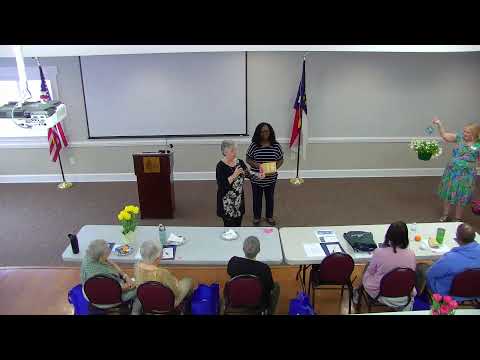
Lynn Drinkwater, program coordinator at the Moore County Senior Enrichment Center, opened an afternoon session focused on “aging in place,” saying the goal was to make seniors and their caregivers aware of services that can reduce crisis‑driven stress. “My name is Lynn Drinkwater and I’m the Moore County Senior Enrichment Center’s program coordinator,” she told attendees.
Why it matters: The briefing combined county programs and local vendors so seniors can learn what’s available before a health event forces rapid decisions. Presenters described transportation options, short respite grants, nutrition programs, Medicare counseling, exercise programming, home‑safety fixes, hospice and palliative care, and veterans benefits.
Lynn summarized the center’s core services: a family caregiver advisor who runs two monthly caregiver support groups and manages a modest respite grant that provides blocks of free home‑care hours through two licensed agencies; a medically oriented ride service run by Moore County Transportation Services (MCTS) for residents 60 and older; and a home‑delivered meals program that covers routes north of Whispering Pines while Meals on Wheels serves the southern half of the county. She said the center’s SHIP program has helped residents review drug plans and other coverage during open enrollment and that the counseling effort once helped county residents save about $862,000 in plan‑switching savings over a prior year.
Fitness and safety: Chris Peavey, the center’s fitness coordinator, described class options and the requirement that participants supply a doctor’s note before using fitness equipment or enrolling in certain classes. “This is the greatest show in Moore County,” Peavey told the room as he encouraged new attendees to take an orientation and explained the low per‑visit fee for many classes.
Home modifications: Mike Osali of Home Choice Network urged attendees to “anticipate your needs in advance” and described low‑cost, practical modifications—removing clutter, securing rugs, improving lighting and adding rails or grab bars—to reduce fall risks and make homes more accessible so residents can remain in place longer.
Hospice and palliative care: Maggie Bone Cutter of First Health Hospice and Palliative Care explained that hospice is a Medicare benefit available to patients with a prognosis of about six months who choose comfort‑focused care, while palliative care provides symptom management and care coordination at any stage of serious illness. “That’s what hospice is. It’s providing dignity at the end of life,” she said, and noted that Medicare covers certain hospice services, respite stays and bereavement support.
Veterans resources: Jenny Richard, a county veteran service officer, summarized VA programs that can support aging in place, including disability compensation, pension and survivors’ benefits, aid‑and‑attendance add‑ons for eligible veterans or surviving spouses, and prosthetics or grants (HISA) that can fund ramps or home modifications. She also described a local volunteer group that installs ramps and a new transport program for veterans.
Planning and paperwork: A representative from a local funeral service emphasized pre‑planning options, including pre‑need funding, cremation authorizations and the importance of documenting disposition decisions; attendees were urged to complete advance directives and keep copies readily available. The session included instructions for seniors who may need to transfer pre‑funded plans if they move out of state.
Takeaways and next steps: Presenters repeatedly encouraged attendees to register for programs at the center—sign up for MCTS rides, attend Medicare counseling during open enrollment, bring a physician’s clearance for fitness orientations, and contact the family caregiver advisor for respite help. The session closed with door prizes and a reminder that a second, follow‑up session is scheduled next Thursday.
Speakers quoted in this article appear in the center’s program and at vendor tables. Where presenters used specialist terms, the program clarified coverage sources (Medicare, VA) and eligibility rules during Q&A rather than in broad statements of policy.
Ending: Organizers said resource tables would remain available after the presentation and encouraged attendees to request appointments for one‑on‑one Medicare counseling and home‑safety assessments.