Get Full Government Meeting Transcripts, Videos, & Alerts Forever!
Get email alerts on the Fair Housing topic
No spam. Unsubscribe anytime.
What Ventura landlords and tenants need to know about fair housing in California
Summary
In an educational session, attorney Jennifer Felton explained federal baseline protections (Fair Housing Act of 1968), California's broader protected classes (including immigration, gender identity, genetic information, veterans), and practical compliance steps such as standardized screening and accessible advertising.
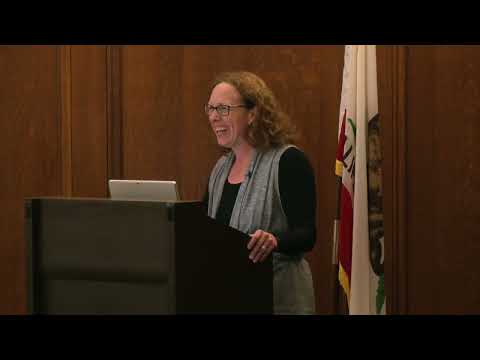
Jennifer Felton, a Ventura County real estate attorney, told attendees that fair-housing obligations operate across three layers: federal law, California law and local rules. She summarized the federal Fair Housing Act (1968) as a baseline and emphasized California’s broader protections and stronger enforcement.
"Fair housing are a set of laws designed to keep discrimination out of our housing," Felton said, and she listed the federal protected categories before noting California extends protections to additional categories including citizenship/immigration status, gender identity and genetic information. She stressed that California law is enforced aggressively and that many violations are pursued at the state or local level rather than federally.
Felton walked through common compliance pitfalls and practical screening guidance: adopt consistent, documented screening criteria (credit checks, income thresholds), refund screening fees if the unit is not rented, and ensure vendor processes follow California rules. She also warned that advertising language can create enforcement exposure and recommended neutral terminology (for example, use "primary bedroom" instead of "master bedroom").
On Section 8 vouchers, Felton said California law prohibits refusing tenancy because a resident uses Section 8 income; landlords may still apply legitimate financial criteria but may not decline a tenant solely for using vouchers. For disability and accessibility, she noted that reasonable accommodations and reasonable modifications must be allowed where required and that websites and media used in housing transactions can trigger accessibility obligations.
Felton recommended training, written policies and a complaint procedure to minimize risk and urged landlords to consult counsel when uncertain. The session included audience questions about web accessibility widgets and credit-screening vendors, which Felton recommended verifying with web developers and vendors that are familiar with accessibility and tenant-screening rules.