Get Full Government Meeting Transcripts, Videos, & Alerts Forever!
Get email alerts on the Dementia Friendly Tourism topic
No spam. Unsubscribe anytime.
Webinar spotlights dementia-friendly training in Las Vegas and airport steps including TSA Cares and FAA restroom rules
Summary
Leaders from the Cleveland Clinic Lou Ruvo Center for Brain Health and Clark County Department of Aviation outlined Dementia Friendly Clark County’s outreach, airport staff training and wayfinding upgrades at Harry Reid International Airport, and explained TSA Cares access and the FAA’s adult changing‑table requirement.
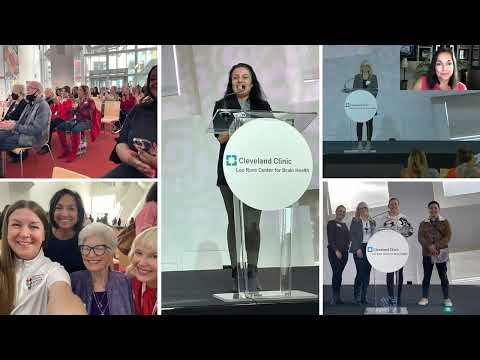
Leanne Manderino, program director at the Cleveland Clinic Lou Ruvo Center for Brain Health, and Danielle Mos, assistant safety officer and ADA coordinator at the Clark County Department of Aviation, told a National Alzheimer’s and Dementia Resource Center webinar that tourist destinations must adopt dementia‑friendly practices to protect visitors and support caregivers.
The presenters described community surveys, continuing education conferences and recurring airport trainings designed to help employees recognize dementia, improve communication and make physical spaces safer. "Dementia training and services in tourist towns are crucial for creating inclusive and supportive environments," Manderino said, arguing that clearer signage, companion restrooms and staff education reduce confusion and stigma for travelers living with dementia.
Manderino noted Clark County’s combination of 2.3 million residents and large annual visitor counts creates particular urgency for hotels, transit hubs and emergency responders. As an illustration, she applied a conservative 10% dementia prevalence among older adults to regional visitor figures and presented illustrative estimates of hundreds of thousands of visitors who could be living with dementia in a given year, underscoring the scale of the accommodation challenge.
At Harry Reid International Airport, Danielle Mos described steps already under way: recorded trainings available to employees across shifts, upgrades to wayfinding signage, new departure‑zone drop‑off points and expanded companion restroom access at Terminals 1 and 3. She said airport trainings have included police officers and facility engineers and that organizers post recordings so staff who work different shifts can access the content.
Mos explained TSA Cares, a national screening and assistance program for travelers with visible and nonvisible disabilities, and said it is requestable via a national phone number or email. "TSA Cares is available at every airport in the United States," she said, advising travelers that requests are commonly submitted 72 hours before departure while noting Customs operates under a different process for international arrivals.
Panelists also discussed a practical airport accommodation that regulators are now mandating: adult changing tables. Mos said the Federal Aviation Administration requires large hub airports to install adult changing tables in companion restrooms by 2030, and that Harry Reid plans to place tables on secure and nonsecure sides of terminals. She described adult changing tables as larger, often wall‑mounted units (some with lifts) rated for heavier weights and maintained as part of regular custodial routines.
The presenters emphasized low‑cost elements—training time, volunteer facilitators and partnership with local organizations—rather than large capital budgets. Manderino said much early work was supported by an ADI SSS grant administered through the Nevada Aging and Disability Services Division and that program development primarily required staff time to write materials and train volunteers.
During a Q&A, participants asked about other airports with dementia programs (examples cited included Phoenix Sky Harbor and several Minnesota airports), training materials availability (Manderino offered to share hers), and how programs reach rural communities where specialist care is scarce. Presenters said community surveys focused on sectors (healthcare, faith communities, caregivers) and that partner organizations provide respite services even where Dementia Friendly Clark County itself does not operate them.
The webinar closed with a reminder to sign up for Grants.gov alerts for Alzheimer’s disease program initiative funding and an announcement of a follow‑up webinar on Aug. 27 about cognitive stimulation therapies. For webinar contacts, presenters pointed participants to the webinar team email shown on the event slide.