Get Full Government Meeting Transcripts, Videos, & Alerts Forever!
Get email alerts on the Nursing Home Visitation topic
No spam. Unsubscribe anytime.
Summit DD specialist Nikki Wils urges volunteers to bring library programs, companionship into nursing homes
Summary
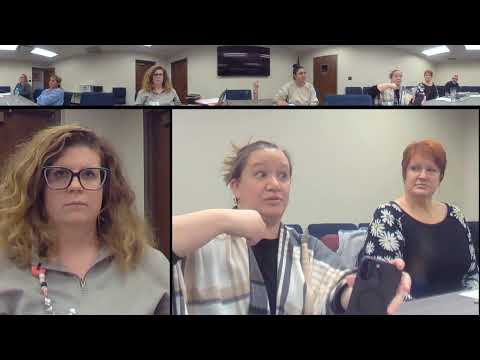
At the Feb. 24 Stow City Commission on Inclusion meeting, Nikki Wils of Summit DD described a Twinsburg Public Library pilot that brings volunteers and librarians into nursing homes and asked the commission to help recruit volunteers, identify partners and draft outreach materials; commissioners agreed to reach out to community groups and report back at the next meeting.
Nikki Wils, a reference support specialist at Summit DD, told the Stow City Commission on Inclusion on Feb. 24 that recent budget cuts have left many adults with disabilities isolated after day‑program transportation and offerings were reduced.
"When I joined Summit DD in 2021, I worked with children... Supporting children and families is not just my career. It was also my calling," Wils said, adding that Summit DD serves "more than 5,000 individuals across Summit County." She said the 2025 funding reductions hit local day‑program transportation hardest and that residents who once attended day programs lost not only activities but a sense of purpose and community.
Wils described a pilot she helped initiate with the Twinsburg Public Library in which librarians and volunteers visit nursing‑home residents one‑on‑one to read, perform puppet shows, play music and run small activities. "They're simple but powerful to bring residents out of their rooms, back into connection, back into joy, and back into the community," she said.
Commissioners and Wils spent more than an hour on logistics and program design. Members asked how many nursing homes Wils' clients are served in; Wils said she has clients in 33 nursing homes countywide but that Stow itself has four such facilities. Commissioners discussed whether volunteers need background checks, transportation constraints for residents (many are Medicaid recipients), and the importance of consistency so residents' expectations are not raised and disappointed.
Examples discussed ranged from low‑cost neighborhood efforts to recurring activities: a front‑yard sale organized with 13 residents that created market‑style participation, regular one‑on‑one visits by library volunteers, and adaptive events such as an "animal zoo" with stuffed animals and music. Commissioners suggested recruiting National Honor Society students, daycare and high‑school clubs, Scouts, sports teams and neighborhood groups; they also discussed matching volunteer types to activities (one‑on‑one versus group events).
Rather than a formal motion, the commission assigned concrete next steps: each member will identify up to three community groups or clubs and collect contact names and emails (do not email yet), the group will draft a short outreach script to standardize messages, and the chair will circulate a follow‑up email and add Wils to the commission mailing list. The commission set these as homework for the next meeting, scheduled for the 24th of next month.
No formal funding decision was made at the meeting; commissioners emphasized starting with a small pilot and measuring continuity and resident response before expanding. Wils said she was willing to lead the effort but asked for additional volunteer support to sustain it.
The commission closed the public‑comment portion and moved to other agenda items.