Get Full Government Meeting Transcripts, Videos, & Alerts Forever!
Get email alerts on the Affordable Housing topic
No spam. Unsubscribe anytime.
Colts Neck secures 30‑day court extension on rezoning deadline; negotiations continue with developers
Summary
Following a Superior Court order, the township announced a consent order extending the May 13 rezoning deadline to June 12, 2026 while it negotiates with two objecting developers and Fair Share Housing Center to try to reach a settlement that preserves immunity from builders' remedy litigation.
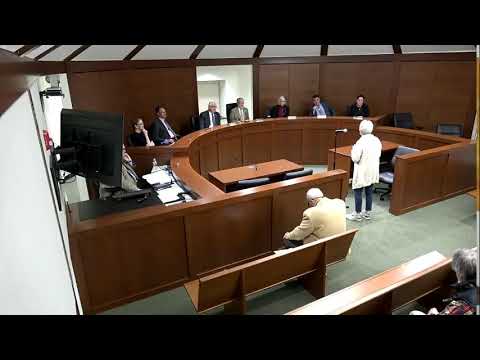
Colts Neck officials announced on April 29 that they secured a 30‑day extension from the Superior Court to complete rezoning required under a March 9 order tied to affordable housing litigation. The town had been ordered to complete rezonings by May 13; the court entered a consent order extending that deadline to June 12, 2026.
Deputy Mayor Perzeta told the committee the Township Committee "has engaged directly with each of the two objected developers to determine if the required rezonings can be revised in a manner that would ultimately be acceptable to all the parties to the affordable housing litigation including the Township." He said the two developers and Fair Share Housing Center consented to the township's request for a 30‑day extension, and that the court entered the order earlier that day.
The extension removes the immediate need to take rezoning action at the April 29 meeting, the deputy mayor said, and gives the governing body time to continue negotiations during the extension period. Officials said they would keep the public apprised of further developments as negotiations progress.
The committee also discussed a separate resolution opposing S1836, a state bill committee members said would reduce local zoning authority by shifting decision‑making to the state and property owners.